Financial preparedness is often associated with saving, budgeting, and investing, but insurance plays an equally vital role in building a resilient financial foundation. While it may not offer the immediate gratification of a growing savings account or the excitement of a high-performing investment, insurance provides something just as valuable: protection against the unexpected. It is a proactive measure that ensures individuals and businesses can withstand financial shocks without derailing their long-term goals. In this way, insurance is not just a safety net—it is a strategic component of comprehensive financial planning.
At its core, insurance is about managing risk. Life is unpredictable, and no matter how carefully one plans, there will always be events beyond our control. A sudden illness, a car accident, a natural disaster, or even a lawsuit can have devastating financial consequences. Without insurance, these events can wipe out years of savings or force individuals to take on burdensome debt. With the right coverage in place, however, the financial impact is mitigated. Insurance allows people to recover more quickly and maintain stability in the face of adversity. This ability to absorb shocks is a hallmark of true financial preparedness.
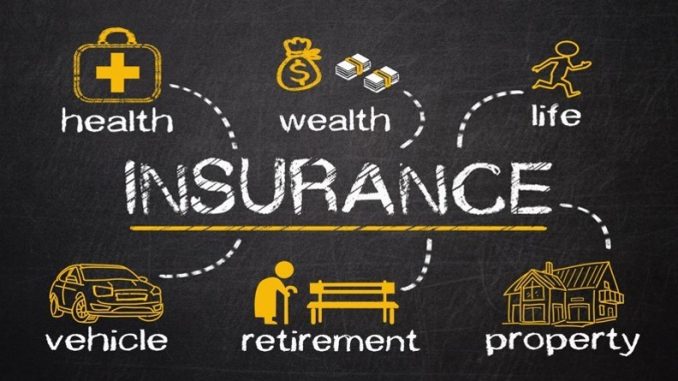
Consider the example of health insurance. Medical expenses are one of the leading causes of financial hardship, even among those who are otherwise financially responsible. A single emergency room visit or surgical procedure can cost thousands of dollars. Without insurance, these costs can be overwhelming. But with a well-structured health plan, individuals can access necessary care without jeopardizing their financial well-being. This not only protects their physical health but also preserves their financial trajectory. It’s a clear demonstration of how insurance supports preparedness by reducing vulnerability to high-impact, low-probability events.
The same principle applies to property and casualty insurance. Homeowners and renters alike face risks ranging from fire and theft to weather-related damage. Replacing a roof, repairing structural damage, or recovering from a burglary can be financially draining. Insurance provides the resources to address these issues without compromising other financial priorities. It allows people to protect their assets and maintain their standard of living, even when the unexpected occurs. For business owners, commercial insurance offers similar benefits, covering everything from equipment breakdowns to liability claims. This coverage ensures that operations can continue or resume quickly, preserving revenue and reputation.
Life insurance is another powerful example of financial preparedness. While it’s not a topic most people enjoy contemplating, the reality is that premature death can leave families in a precarious financial position. Life insurance provides a financial cushion that can cover funeral expenses, pay off debts, and replace lost income. For families with children, it can mean the difference between maintaining a stable home environment and facing significant upheaval. It’s a way of planning for the worst while hoping for the best—a responsible, forward-thinking approach that reflects a deep commitment to loved ones’ well-being.
Beyond individual policies, insurance also fosters a mindset of preparedness. Choosing the right coverage requires individuals to assess their risks, understand their needs, and make informed decisions. This process builds financial literacy and encourages a more thoughtful approach to money management. It prompts people to consider not just what they want to achieve, but what could potentially derail those plans. In doing so, insurance becomes more than a product—it becomes a tool for strategic thinking. It reinforces the idea that financial health is not just about growth, but also about protection.
Technology has made it easier than ever to integrate insurance into a broader financial plan. Digital platforms allow users to compare policies, manage coverage, and file claims with ease. These tools increase transparency and empower consumers to take control of their financial protection. They also make it easier to adjust coverage as circumstances change, ensuring that insurance remains aligned with evolving needs and goals. This adaptability is crucial for maintaining preparedness over time. As life changes—whether through marriage, parenthood, career shifts, or retirement—insurance can be recalibrated to provide the right level of support.
Education is also key to maximizing the benefits of insurance as a preparedness tool. Understanding policy terms, coverage limits, and exclusions is essential for making informed choices. When people are equipped with this knowledge, they’re better able to identify gaps in their protection and take steps to address them. They’re also more likely to use their coverage effectively, avoiding common pitfalls and ensuring that claims are handled smoothly. This level of engagement transforms insurance from a passive purchase into an active part of financial planning.
Ultimately, financial preparedness is about creating a stable foundation that can support both everyday needs and long-term aspirations. It’s about being ready for what life throws your way, without sacrificing your goals or peace of mind. Insurance plays a central role in this equation. It provides the resilience needed to weather storms, the confidence to take calculated risks, and the security to plan for the future. When integrated thoughtfully into a financial strategy, insurance becomes a powerful expression of responsibility and foresight. It’s not just about protecting what you have—it’s about ensuring that you can keep moving forward, no matter what challenges arise.