When it comes to investing, the sheer variety of options available can be overwhelming. From individual stocks and bonds to mutual funds, exchange-traded funds (ETFs), and alternative assets, navigating the financial landscape requires knowledge and discernment. Among these choices, index funds have gained remarkable popularity, becoming a favored vehicle for many investors, both beginners and seasoned alike. But what exactly are index funds, and why should they matter to you? Understanding this can open the door to a straightforward, cost-effective approach to growing your wealth over time.
At its core, an index fund is a type of mutual fund or ETF designed to replicate the performance of a specific market index. Think of an index as a carefully curated list of securities—stocks, bonds, or other assets—that represent a segment of the broader market. For example, the S&P 500 index tracks 500 of the largest publicly traded companies in the United States, providing a snapshot of the overall market’s health. An index fund seeks to mirror this performance by holding the same securities in roughly the same proportions as the index it follows.
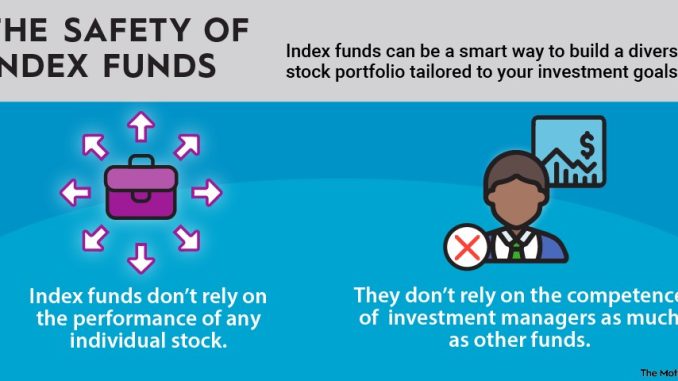
This passive investment strategy contrasts with actively managed funds, where professional managers attempt to outperform the market by selecting specific securities they believe will perform well. While active management may sound appealing, it often comes with higher fees and, more importantly, the reality that consistently beating the market is extremely challenging. In fact, numerous studies show that most active managers underperform their benchmark indexes over extended periods.
One of the most compelling reasons to consider index funds is their cost efficiency. Because index funds simply track a predefined set of securities without frequent buying and selling, they incur lower management fees and transaction costs. These savings can significantly boost your net returns over the years, as high fees and expenses tend to eat away at investment gains. For example, if two funds generate the same gross return but one charges half the fees, the one with lower costs will leave more money in your pocket. This makes index funds especially attractive for investors who prioritize keeping expenses low and returns steady.
Another advantage lies in diversification. By investing in an index fund, you gain exposure to a broad range of companies or bonds within a single investment vehicle. This diversification helps spread risk, reducing the impact of poor performance by any single security on your overall portfolio. For instance, owning an S&P 500 index fund means you hold shares across various industries—technology, healthcare, finance, consumer goods, and more—rather than being tied to the fortunes of one or two companies. This built-in diversification is a powerful tool for managing risk while pursuing growth.
Simplicity also plays a role in the appeal of index funds. Investing doesn’t have to be complicated, and index funds offer a way to participate in the market without the need to research individual stocks or make constant trading decisions. For many people, this straightforward approach aligns well with long-term financial goals, such as saving for retirement or building wealth gradually. Instead of spending time trying to predict market winners, you rely on the broad market’s growth over time, which historically has tended to trend upward despite short-term fluctuations.
To put it in perspective, consider an investor named Sarah who wants to grow her retirement savings. Rather than picking stocks or paying a financial advisor for active management, she decides to invest in an S&P 500 index fund. Over the years, as the U.S. economy expands and companies generate profits, the value of her index fund increases accordingly. Although the market may experience occasional downturns, Sarah stays the course, contributing regularly and benefiting from the compounding growth. This approach allows her to build a sizeable nest egg without the stress of market timing or stock picking.
Of course, it’s important to recognize that index funds are not without risks. Because they track the market, they are subject to market volatility and can lose value during downturns. Unlike actively managed funds, index funds do not attempt to avoid or mitigate losses through strategic stock selection. However, for investors with a long-term horizon, the ups and downs tend to smooth out, and the overall trend has historically been positive.
Moreover, the rise of index funds has democratized investing, making it accessible to a wider audience. With many platforms offering index funds with low minimum investments and easy online access, more people than ever can participate in market growth. This democratization encourages disciplined, long-term investing habits that contribute to financial security.
In addition, index funds come in various flavors beyond broad market indexes. There are index funds that focus on specific sectors, international markets, bonds, and even factors like value or growth stocks. This versatility allows investors to tailor their portfolios to match their risk tolerance and objectives while maintaining the benefits of low cost and diversification.
In summary, index funds represent a simple yet powerful investment strategy that aligns well with the needs of many investors. By offering broad market exposure, low costs, built-in diversification, and ease of use, they provide a reliable foundation for building wealth over time. Whether you’re just starting to invest or looking to simplify your portfolio, understanding and considering index funds can be a smart move. After all, investing doesn’t have to be complicated to be effective — and sometimes, the best strategy is simply to follow the market’s steady path toward growth.