In the evolving landscape of professional development and workplace learning, understanding how individuals absorb and process information has become more important than ever. Learning is not a one-size-fits-all endeavor. People bring different cognitive preferences, experiences, and motivations to the table, and these differences shape how they engage with new information. Recognizing and adapting to diverse learning styles and preferences is not just a matter of educational theory—it’s a strategic imperative for businesses that want to cultivate talent, foster innovation, and remain competitive in a knowledge-driven economy.
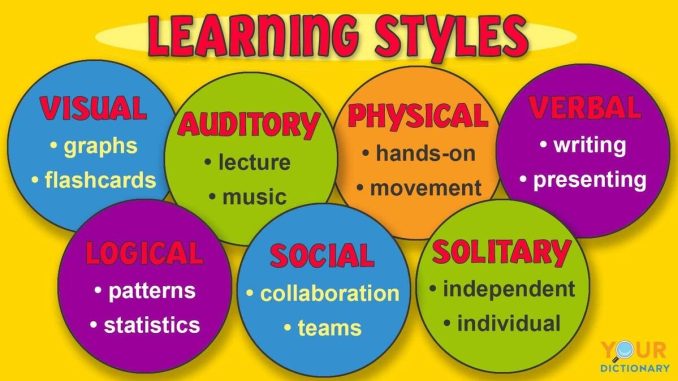
At the heart of this conversation is the idea that learning styles refer to the preferred ways individuals take in, process, and retain information. While the concept has been debated in academic circles, its practical value in workplace settings remains significant. Some people thrive when they can see information presented visually, such as through charts, diagrams, or videos. Others prefer auditory input, finding it easier to absorb knowledge through listening to lectures, discussions, or podcasts. Still others are kinesthetic learners, who grasp concepts more effectively through hands-on experiences and physical engagement. These preferences don’t exist in isolation; many individuals exhibit a blend of styles, depending on the context and content.
Understanding these preferences can dramatically enhance the effectiveness of training programs and professional development initiatives. For instance, a sales team might include individuals who respond well to role-playing exercises, while others benefit more from structured presentations or written case studies. By offering multiple formats—such as interactive workshops, visual aids, and audio recordings—organizations can ensure that learning is accessible and engaging for everyone. This inclusive approach not only improves knowledge retention but also signals respect for individual differences, which can boost morale and motivation.
Beyond the mechanics of how people learn lies the equally important question of why they learn. Preferences are not limited to sensory modalities; they also encompass motivational drivers and contextual needs. Some employees are intrinsically motivated, driven by curiosity or a desire for mastery. Others may be more extrinsically motivated, responding to rewards, recognition, or career advancement opportunities. Understanding these underlying motivations allows managers and learning designers to tailor content and delivery in ways that resonate more deeply. For example, a self-directed learner might appreciate access to on-demand resources and flexible timelines, while someone who thrives on structure might benefit from scheduled sessions and clear milestones.
The workplace itself plays a significant role in shaping learning preferences. In fast-paced environments, employees may prefer microlearning—short, focused bursts of content that can be consumed quickly and applied immediately. In contrast, more reflective settings might support deeper, long-form learning experiences. The rise of remote and hybrid work has further complicated the picture, introducing new variables such as digital fatigue, time zone differences, and varying levels of access to technology. These factors influence not only how people prefer to learn but also how effectively they can engage with different formats.
One of the most effective ways to accommodate diverse learning styles is through personalization. Advances in technology have made it possible to deliver adaptive learning experiences that respond to individual behaviors and preferences. Learning management systems can track engagement patterns, recommend content based on past performance, and even adjust the difficulty or format of material in real time. This level of customization mirrors the consumer experiences people have come to expect in other areas of their lives, from streaming services to online shopping. When applied thoughtfully, it can transform corporate learning from a chore into a meaningful, empowering experience.
However, personalization should not come at the expense of shared learning experiences. There is still immense value in collaborative learning, where individuals with different styles and perspectives come together to solve problems, share insights, and build collective knowledge. In fact, diversity in learning preferences can be a strength in team settings, fostering richer discussions and more creative solutions. The key is to strike a balance—providing enough flexibility to honor individual needs while maintaining a cohesive learning culture that encourages interaction and mutual support.
It’s also important to recognize that learning preferences can evolve. As people grow in their roles, encounter new challenges, or gain exposure to different methods, their preferred ways of learning may shift. A visual learner might discover the value of verbal processing through coaching conversations. A hands-on learner might develop an appreciation for reading and reflection. Encouraging this kind of growth requires a culture that values experimentation, feedback, and continuous improvement. It also requires leaders who model curiosity and adaptability, demonstrating that learning is not just for entry-level employees but a lifelong pursuit.
Ultimately, understanding learning styles and preferences is about more than optimizing training outcomes. It’s about creating environments where people feel seen, supported, and empowered to grow. When organizations take the time to understand how their employees learn best, they send a powerful message: that development is not just a checkbox, but a shared journey. This mindset fosters engagement, loyalty, and a deeper sense of purpose—qualities that are essential in today’s dynamic and demanding business world.
By embracing the complexity of learning preferences, businesses can unlock the full potential of their teams. They can move beyond generic programs and create experiences that are as diverse and dynamic as the people they serve. In doing so, they not only enhance performance but also build a culture of learning that fuels innovation, resilience, and long-term success.