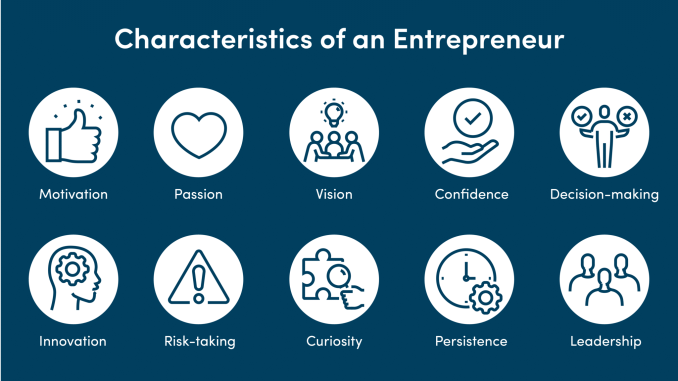
Leadership in business is more than just managing people and resources—it’s about setting a vision, inspiring others, and driving meaningful outcomes. While leadership styles may vary, highly effective business leaders tend to share a common set of traits that consistently set them apart. Whether leading a startup or a multinational corporation, these characteristics help them navigate challenges, build strong teams, and create long-term success.
1. Visionary Thinking
Highly effective leaders see beyond the present. They possess the ability to imagine the future of their organization and set a clear, strategic direction. A strong vision acts as a guiding star, aligning teams and resources toward common goals. It also fosters innovation, encouraging others to think creatively and push boundaries. Visionary leaders don’t just react to change—they anticipate it and shape it.
2. Emotional Intelligence (EQ)
While technical skills and intelligence are important, emotional intelligence is often the defining trait of exceptional leaders. EQ includes self-awareness, empathy, social skills, and the ability to manage emotions—both their own and others’. Leaders with high EQ build stronger relationships, resolve conflicts effectively, and create a positive work culture. They understand that leadership is as much about people as it is about performance.
3. Decisiveness
Effective leaders make timely and informed decisions, even when faced with uncertainty. They gather the necessary information, consult key stakeholders, and take calculated risks when needed. Indecision or excessive hesitation can stall progress and create confusion within a team. Strong leaders take ownership of their choices and learn from the outcomes—good or bad.
4. Integrity
Integrity is the cornerstone of trust. Highly effective leaders lead with honesty, transparency, and consistency. They do what they say and uphold ethical standards, even when it’s inconvenient. Employees are more likely to follow leaders they respect and trust, and a culture of integrity begins at the top. This trait also extends to owning mistakes and being accountable.
5. Adaptability
The business landscape is constantly shifting, whether due to market trends, technological advances, or global events. Great leaders are flexible and resilient. They embrace change, learn quickly, and adjust strategies when necessary. Rather than resisting new challenges, they see them as opportunities for growth. This adaptability also helps them guide their teams through periods of transition with confidence and clarity.
6. Strong Communication Skills
Communication is essential in every aspect of leadership—from setting goals to resolving conflicts to motivating a team. Effective leaders are clear, concise, and persuasive. They know how to listen as well as speak and tailor their message for different audiences. Transparent communication fosters trust, while active listening ensures that team members feel heard and valued.
7. Accountability and Ownership
Strong leaders take responsibility for their actions and decisions. They hold themselves and their teams accountable for meeting objectives and maintaining standards. By owning both successes and failures, they model the behavior they expect from others. This trait encourages a culture of responsibility, where individuals are motivated to contribute their best work.
8. Empowerment of Others
Rather than micromanaging, highly effective leaders trust their team members and empower them to make decisions. They delegate tasks appropriately, provide resources and support, and encourage professional growth. Empowerment not only boosts morale but also drives innovation and productivity, as team members feel a greater sense of ownership and purpose.
9. Passion and Commitment
Exceptional leaders are deeply passionate about their work and committed to their organization’s mission. Their enthusiasm is contagious, inspiring others to give their best effort. Passion fuels perseverance, especially during tough times, and reinforces a leader’s authenticity. Employees are more engaged when they see their leaders genuinely care about the work and the people doing it.
10. Lifelong Learning
The most effective leaders understand that learning never stops. They actively seek feedback, stay updated with industry trends, and invest in their own development. This humility and willingness to grow set the tone for a learning-oriented organization. Whether through books, mentorship, or experience, continual learning helps leaders stay sharp and forward-thinking.
In conclusion, leadership in business requires more than authority or experience—it demands a well-rounded set of qualities that inspire trust, drive performance, and foster growth. While no leader is perfect, those who cultivate these traits position themselves and their organizations for long-term success. By leading with vision, integrity, empathy, and resilience, today’s business leaders can rise to the challenges of tomorrow.