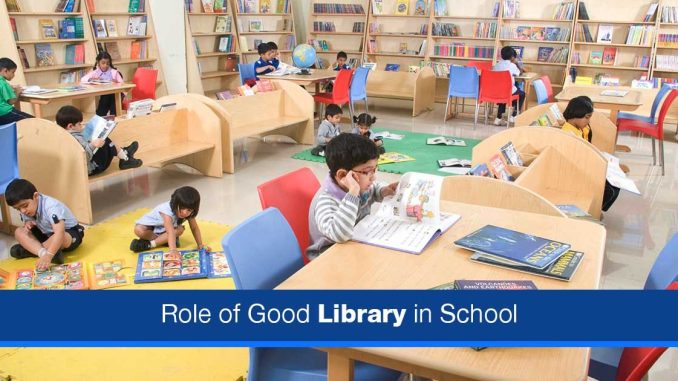
In the ever-evolving landscape of modern education, where technology reshapes learning pathways and information proliferates at an unprecedented rate, the traditional image of the school library—a quiet sanctuary of dusty books and hushed tones—might seem quaint, even obsolete, to some. However, to view the contemporary school library through such a narrow, anachronistic lens is to fundamentally misunderstand its profound and evolving role. Far from being relicts of a bygone era, today’s school libraries, under the guidance of skilled librarians, are dynamic, multi-faceted hubs of learning, innovation, and community, essential to fostering critical thinking, digital literacy, and a lifelong love of learning in students.
The most significant transformation in the modern school library lies in its shift from a mere repository of information to a vibrant information literacy powerhouse. In an age saturated with digital content, students are awash in data but often lack the discernment to evaluate its credibility or synthesize it effectively. The school library, guided by a qualified librarian, becomes the crucial training ground for navigating this complex information ecosystem. Librarians teach students not just how to find information, but how to critically assess sources, understand bias, differentiate between reliable and unreliable content, and use information ethically and responsibly. This goes far beyond rudimentary research skills; it cultivates intellectual skepticism and media literacy, capabilities that are indispensable for academic success and informed citizenship in the 21st century. Imagine a high school student tackling a research project; instead of just googling, they learn from the librarian how to identify scholarly articles, cross-reference data, and understand the difference between a blog post and a peer-reviewed journal.
Beyond information literacy, today’s school libraries are increasingly functioning as centers for digital fluency and technological integration. While physical books remain a vital component, libraries now host a diverse array of digital resources, from e-books and audiobooks to online databases, educational software, and multimedia creation tools. Librarians often serve as instructional partners to teachers, helping them integrate technology meaningfully into the curriculum and guiding students in using digital tools for research, collaboration, and content creation. They might facilitate workshops on coding, introduce virtual reality for immersive learning experiences, or assist students in producing podcasts or digital presentations. This role extends the library’s reach far beyond its physical walls, making learning resources accessible anytime, anywhere, and ensuring students are proficient with the digital tools essential for future academic and professional endeavors.
Furthermore, the modern school library is a vital space for fostering a love of reading and cultivating diverse perspectives. While digital platforms offer convenience, the physical library continues to be a curated space that encourages serendipitous discovery and a deep engagement with literature. Librarians work tirelessly to build diverse collections that reflect the rich tapestry of student backgrounds and experiences, ensuring every child can find stories that resonate with them and expose them to worlds beyond their own. They champion reading for pleasure, organize book clubs, host author visits, and promote reading challenges, understanding that a strong reading habit underpins success across all subjects. For a young student struggling to find their place, discovering a character in a book who shares their experiences can be profoundly affirming, and the library is often the gateway to such connections.
Moreover, school libraries are evolving into collaborative learning commons and creative maker spaces. The shift away from silent, individual study has transformed many libraries into flexible, dynamic environments designed to accommodate varied learning styles and group work. They often feature collaborative seating arrangements, presentation areas, and dedicated zones for hands-on activities, such as 3D printing, robotics, or crafting. This allows the library to serve as an extension of the classroom, providing a neutral, inspiring space where students can work on projects, brainstorm ideas, and engage in interdisciplinary learning. It’s a place where students can experiment, fail safely, and learn through doing, bridging theoretical knowledge with practical application.
Finally, and perhaps most importantly, the school library serves as a safe, inclusive, and equitable space for all students. In many schools, the library is a neutral ground, a refuge where every student, regardless of their background, academic performance, or social standing, can feel welcome, find resources, and receive support. Librarians often play an unspoken but critical pastoral role, offering a listening ear, connecting students to resources, and championing intellectual freedom and access to information for all. This inclusive environment is fundamental to fostering a sense of belonging and ensuring that every student has the opportunity to thrive.
In conclusion, the school library of today is a far cry from its predecessors. It is an indispensable, dynamic nexus within the educational institution, serving as a beacon for information literacy, a catalyst for digital fluency, a haven for readers, a hub for collaborative innovation, and a sanctuary of inclusivity. Under the expert guidance of dedicated librarians, these spaces are not merely supporting academic curricula; they are actively shaping well-rounded, critically thinking, and adaptable individuals prepared to navigate the complexities of information, technology, and life itself in the 21st century. Their continued evolution and sustained support are critical investments in the future of education.