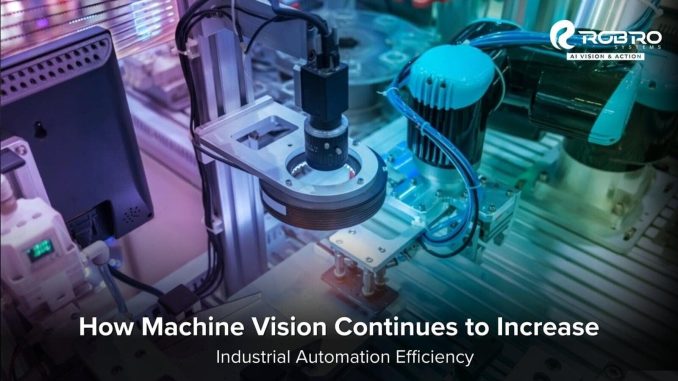
Machine vision has emerged as one of the most transformative technologies in the realm of automation. By enabling machines to interpret and respond to visual data, it bridges the gap between physical processes and digital intelligence. This capability is reshaping industries, enhancing productivity, and redefining the boundaries of what automated systems can achieve. As businesses seek greater efficiency and precision, machine vision is becoming a cornerstone of modern automation strategies.
At its core, machine vision involves the use of cameras, sensors, and algorithms to capture and analyze visual information. Unlike traditional imaging, which is designed for human interpretation, machine vision systems are built to extract actionable insights from images in real time. This allows machines to make decisions based on what they “see,” whether it’s identifying defects in a product, guiding a robotic arm, or verifying the placement of components on an assembly line.
One of the most compelling applications of machine vision is in quality control. In manufacturing environments, ensuring product consistency is critical. Human inspectors, while skilled, can be prone to fatigue and subjectivity. Machine vision systems, on the other hand, offer consistent, high-speed inspection capabilities. They can detect minute flaws, measure dimensions with micrometer precision, and classify products based on predefined criteria. This not only improves product quality but also reduces waste and rework.
Machine vision also plays a vital role in robotics, particularly in enabling autonomous behavior. Robots equipped with vision systems can navigate complex environments, identify objects, and perform tasks that require spatial awareness. In logistics, for instance, vision-guided robots can sort packages, read barcodes, and adapt to changing layouts without human intervention. This flexibility is essential in dynamic settings where traditional automation would struggle to keep pace.
In the automotive industry, machine vision is integral to both production and product innovation. On the factory floor, it supports tasks like welding inspection, paint quality assessment, and component alignment. In vehicles themselves, vision systems power advanced driver-assistance features such as lane detection, pedestrian recognition, and traffic sign interpretation. These capabilities are paving the way for fully autonomous driving, where real-time visual analysis is critical for safety and navigation.
The food and beverage sector has also embraced machine vision to enhance safety and compliance. Systems can inspect packaging for proper labeling, verify fill levels, and detect contaminants. This ensures that products meet regulatory standards and consumer expectations. Moreover, machine vision enables traceability by capturing visual records of each item, which can be invaluable in the event of a recall or audit.
Machine vision’s impact extends to pharmaceuticals, where precision and documentation are paramount. Automated inspection systems verify the integrity of pills, vials, and packaging, ensuring that each unit meets stringent quality standards. Vision systems can also read and verify serial numbers, supporting efforts to combat counterfeiting and improve supply chain transparency. In such high-stakes environments, the reliability of machine vision is not just beneficial—it’s essential.
Retail and e-commerce are leveraging machine vision to streamline operations and enhance customer experiences. In warehouses, vision systems help automate inventory management by identifying and tracking items. At the point of sale, cameras can monitor checkout processes, detect theft, and even analyze customer behavior. These insights inform layout decisions, staffing strategies, and promotional efforts, making operations more responsive and data-driven.
Despite its advantages, implementing machine vision requires careful planning. The success of a vision system depends on factors like lighting conditions, camera resolution, and algorithm accuracy. Businesses must invest in proper infrastructure and expertise to ensure optimal performance. Integration with existing systems is also a consideration, as machine vision must work seamlessly with other automation technologies to deliver full value.
Advancements in artificial intelligence are amplifying the capabilities of machine vision. Deep learning algorithms enable systems to recognize complex patterns, adapt to new scenarios, and improve over time. This opens the door to more sophisticated applications, such as predictive maintenance, where visual data is used to anticipate equipment failures before they occur. The combination of AI and machine vision is driving a new era of intelligent automation.
Scalability is another important factor. As businesses grow, their automation needs evolve. Machine vision systems must be flexible enough to accommodate new products, processes, and environments. Modular designs and cloud-based analytics are helping address this challenge, allowing companies to expand their capabilities without overhauling their infrastructure. This adaptability makes machine vision a long-term asset rather than a short-term fix.
Security and data privacy are emerging concerns as machine vision becomes more pervasive. Systems that capture and analyze visual data must be designed with safeguards to protect sensitive information. This is particularly relevant in sectors like healthcare and finance, where compliance with data protection regulations is mandatory. Transparent policies and robust encryption are essential to maintaining trust and integrity.
Training and workforce development are also part of the equation. As machine vision systems take on more tasks, employees need to shift from manual roles to supervisory and analytical functions. This transition requires new skills and mindsets. Companies that invest in training and support are better positioned to harness the full potential of automation while retaining valuable human talent.
Ultimately, the role of machine vision in automation is about enhancing human capability. It allows machines to perform tasks that were once the exclusive domain of skilled workers, but it doesn’t eliminate the need for human oversight. Instead, it creates opportunities for collaboration, where people and machines work together to achieve greater precision, efficiency, and innovation. As technology continues to evolve, machine vision will remain a vital part of the automation landscape, driving progress across industries and shaping the future of work.