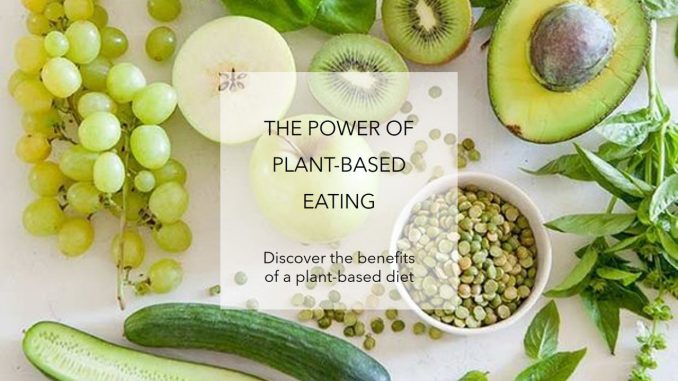
The power of plant-based eating lies not just in its nutritional profile but in its ability to reshape how we think about food, health, and sustainability. In recent years, plant-based diets have moved from niche lifestyle choices to mainstream conversations, driven by growing awareness of their benefits and the evolving needs of modern consumers. For professionals navigating demanding schedules and high-performance environments, the appeal of plant-based eating goes beyond personal wellness—it touches on energy management, mental clarity, and long-term resilience. It’s not about restriction or ideology; it’s about making choices that support both individual vitality and collective well-being.
At its core, plant-based eating emphasizes whole, minimally processed foods derived from plants—vegetables, fruits, legumes, grains, nuts, and seeds. These foods are rich in fiber, antioxidants, and essential nutrients that support everything from cardiovascular health to digestive function. Unlike diets heavy in saturated fats and refined sugars, plant-based meals tend to be lighter, more nutrient-dense, and easier to digest. This translates into sustained energy throughout the day, fewer post-meal crashes, and improved focus. In business settings where mental acuity and stamina are critical, these subtle shifts can have a meaningful impact on performance and productivity.
One of the most compelling aspects of plant-based eating is its versatility. It’s not a rigid set of rules but a flexible framework that can be adapted to different cultures, preferences, and lifestyles. Whether you’re enjoying a Thai green curry made with tofu and coconut milk or a Mediterranean bowl of lentils, olives, and roasted vegetables, the options are abundant and satisfying. This adaptability makes plant-based eating accessible and enjoyable, removing the stigma that healthy food must be bland or boring. It also allows for gradual transitions, where individuals can experiment with plant-forward meals without feeling pressured to overhaul their entire diet overnight.
From a health perspective, the evidence supporting plant-based diets is robust. Studies consistently show that diets rich in plant foods are associated with lower risks of chronic diseases such as heart disease, type 2 diabetes, and certain cancers. These outcomes are not just statistical—they’re deeply personal. A professional who reduces their risk of illness is more likely to maintain consistent attendance, avoid costly medical interventions, and enjoy a higher quality of life. In the long run, these benefits compound, contributing to greater career longevity and personal fulfillment. It’s a reminder that food is not just fuel—it’s a form of preventive care.
The environmental implications of plant-based eating add another layer of relevance, particularly for businesses committed to sustainability. Producing plant-based foods generally requires fewer resources—land, water, and energy—than animal agriculture. It also generates lower greenhouse gas emissions, making it a more climate-friendly choice. For companies looking to align their operations with environmental goals, encouraging plant-based options in cafeterias, events, and travel policies can be a meaningful step. It signals a commitment to responsible stewardship and resonates with employees and stakeholders who value ethical and ecological considerations.
Social dynamics also play a role in the rise of plant-based eating. As more people adopt plant-forward lifestyles, the cultural narrative around food is shifting. Plant-based meals are no longer seen as fringe or alternative—they’re celebrated in restaurants, featured in media, and embraced by influential figures. This normalization reduces barriers to entry and fosters a sense of community. In professional environments, shared meals and conversations around plant-based choices can strengthen relationships and promote inclusivity. It’s not about judgment or superiority—it’s about shared values and mutual respect.
Technology has further accelerated the adoption of plant-based eating. Apps, meal delivery services, and digital platforms offer personalized guidance, recipes, and support. These tools make it easier to plan meals, track nutrition, and discover new ingredients. For busy professionals, this convenience is invaluable. It removes friction and empowers individuals to make healthier choices without sacrificing time or taste. It also democratizes access to information, allowing people to explore plant-based eating at their own pace and comfort level.
Of course, transitioning to a plant-based lifestyle comes with its own set of challenges. Navigating social situations, finding suitable options while traveling, and ensuring nutritional adequacy require planning and awareness. But these challenges are not insurmountable. With education, support, and a willingness to experiment, individuals can find a rhythm that works for them. Businesses can play a role by offering resources, fostering open dialogue, and creating environments that support diverse dietary needs. When plant-based eating is framed as a positive choice rather than a restrictive one, it becomes a source of empowerment.
Ultimately, the power of plant-based eating lies in its ability to connect dots—between health, environment, culture, and performance. It’s a holistic approach that aligns personal goals with broader values. For professionals seeking clarity, energy, and purpose, it offers a pathway that is both practical and inspiring. It’s not about perfection—it’s about progress. And in a world that demands adaptability and intention, plant-based eating provides a foundation for thriving, not just surviving. When we embrace it with curiosity and compassion, we discover that food can be more than nourishment—it can be a catalyst for change.