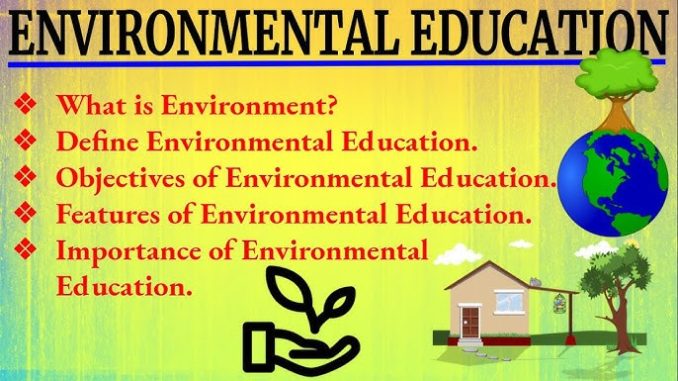
Environmental education has become one of the most critical areas of focus for businesses, governments, and communities worldwide. As climate change, resource depletion, and ecological degradation continue to shape global markets and societal priorities, the ability to understand and respond to environmental challenges is no longer optional. It is a necessity. For businesses in particular, environmental education is not simply about compliance or corporate social responsibility; it is about equipping leaders and employees with the knowledge and perspective needed to thrive in a rapidly changing world.
At its essence, environmental education fosters awareness of the interconnectedness between human activity and the natural systems that sustain life. When individuals understand how their actions affect ecosystems, they are more likely to make informed decisions that balance economic growth with ecological preservation. This awareness translates directly into business practices, influencing everything from supply chain management to product design. Companies that invest in environmental education for their workforce often find that employees become more engaged in sustainability initiatives, leading to innovation and efficiency gains that benefit both the planet and the bottom line.
The importance of environmental education is magnified by the growing expectations of consumers and investors. Today’s customers are increasingly conscious of the environmental impact of their purchases, and they reward businesses that demonstrate genuine commitment to sustainability. Investors, too, are scrutinizing companies through the lens of environmental, social, and governance criteria, making sustainability knowledge a competitive advantage. By embedding environmental education into corporate culture, organizations can align their strategies with these expectations, building trust and long-term loyalty in the process.
Environmental education also plays a vital role in risk management. Businesses face mounting risks from extreme weather events, regulatory changes, and shifting resource availability. Leaders who understand environmental science and policy are better equipped to anticipate these risks and develop resilient strategies. For instance, a company that educates its managers on water scarcity issues may proactively invest in water-efficient technologies, reducing vulnerability to future shortages. In this way, environmental education becomes a tool for foresight, enabling organizations to adapt before challenges escalate into crises.
Another dimension of environmental education is its ability to inspire innovation. When employees are encouraged to think critically about environmental challenges, they often generate creative solutions that drive new products, services, and business models. Renewable energy, circular economy practices, and sustainable agriculture are all areas where innovation has flourished because individuals and organizations embraced environmental learning. As industries continue to evolve, the businesses that cultivate this mindset will be the ones leading the way in developing solutions that meet both economic and ecological needs.
The role of environmental education extends beyond the workplace into communities and policy-making. Businesses that prioritize environmental learning often become advocates for broader societal change, partnering with schools, universities, and local organizations to promote sustainability. This outreach not only strengthens brand reputation but also contributes to the development of a more environmentally literate society. A population that understands the importance of biodiversity, conservation, and sustainable resource use is better positioned to support policies and practices that protect the environment, creating a healthier context for businesses to operate.
Environmental education is also deeply connected to leadership development. Leaders who grasp the complexities of environmental issues are more likely to make decisions that balance short-term gains with long-term sustainability. They recognize that profitability and environmental stewardship are not mutually exclusive but mutually reinforcing. By cultivating leaders who are environmentally literate, businesses can ensure that their strategies remain relevant in a world where sustainability is increasingly central to success.
The future of work will demand even greater integration of environmental education. As industries transition toward greener technologies and practices, employees will need new skills to remain competitive. Training in areas such as renewable energy systems, sustainable supply chains, and carbon accounting will become essential. Businesses that invest in these educational programs will not only prepare their workforce for the future but also position themselves as leaders in the global shift toward sustainability. This proactive approach will distinguish companies that adapt from those that struggle to keep pace.
Environmental education also enhances collaboration across industries and sectors. Many environmental challenges, such as climate change and pollution, are too complex for any single organization to solve alone. By fostering a shared understanding of these issues, environmental education creates common ground for partnerships and collective action. Businesses that engage in cross-sector collaboration often discover new opportunities for growth and innovation, while contributing to solutions that benefit society as a whole. This collaborative spirit is essential in addressing global challenges that transcend borders and industries.
The economic implications of environmental education are significant. Studies consistently show that sustainable practices can reduce costs, improve efficiency, and open new markets. However, these benefits are only realized when employees and leaders understand the principles behind them. Environmental education provides the foundation for recognizing opportunities in areas such as energy efficiency, waste reduction, and sustainable sourcing. Without this knowledge, businesses risk missing out on the economic advantages of sustainability, leaving them vulnerable to competitors who are better prepared.
Beyond economics, environmental education contributes to a sense of purpose and meaning in the workplace. Employees who feel that their work supports environmental goals often report higher levels of satisfaction and engagement. This sense of purpose can be a powerful driver of retention and productivity, particularly among younger generations who prioritize sustainability in their career choices. By integrating environmental education into professional development, businesses can cultivate a workforce that is not only skilled but also motivated by values that align with long-term success.
The importance of environmental education is underscored by the urgency of global challenges. Climate change, deforestation, and pollution are not abstract issues; they are realities that affect supply chains, markets, and communities. Businesses that fail to recognize this risk being left behind as regulations tighten and public opinion shifts. Environmental education ensures that organizations remain informed and proactive, enabling them to navigate these challenges with confidence and responsibility.
Ultimately, environmental education is about equipping individuals and organizations with the tools to make better decisions in a complex world. It bridges the gap between science and business, translating ecological knowledge into practical strategies that drive growth and sustainability. As the global economy continues to evolve, the businesses that embrace environmental education will be the ones that not only survive but thrive, shaping a future where economic prosperity and environmental stewardship go hand in hand.