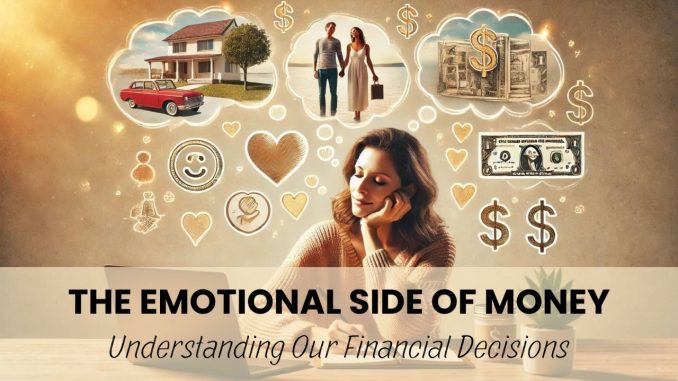
Spending money is often framed as a rational activity, a matter of income, expenses, and choices that can be neatly calculated. Yet beneath the surface, spending is deeply tied to emotions, identity, and psychology. The hidden emotional side of spending influences decisions in ways that are not always obvious, shaping how people feel about themselves, how they relate to others, and how they navigate the pressures of modern life. Understanding this dimension is essential for anyone who wants to gain true control over their financial behavior.
One of the most powerful emotional drivers of spending is the pursuit of comfort. People often reach for their wallets when they feel stressed, anxious, or overwhelmed, using purchases as a way to soothe themselves. This can take the form of small indulgences, like buying a treat after a difficult day, or larger splurges, such as booking a vacation to escape routine pressures. While these choices may provide temporary relief, they can also create cycles where spending becomes a coping mechanism rather than a conscious decision. Recognizing this pattern is the first step toward breaking it.
Spending is also closely linked to identity and self-expression. The clothes we wear, the cars we drive, and even the technology we use often serve as signals of who we are or who we aspire to be. This connection between money and identity can be empowering when purchases align with authentic values, but it can also be problematic when driven by external expectations. Many people feel pressure to spend in order to project success or fit into certain social circles, even when those expenditures do not reflect their true priorities. The emotional weight of wanting to belong can be strong enough to override rational financial judgment.
Another hidden aspect of spending is its role in relationships. Money is frequently used to express love, appreciation, or generosity. Buying gifts, treating friends to dinner, or contributing to shared experiences can strengthen bonds and create lasting memories. At the same time, spending in relationships can become complicated when expectations are mismatched or when generosity masks deeper insecurities. The emotional side of spending in this context is not just about the transaction itself but about the meaning attached to it. Understanding those dynamics can help prevent misunderstandings and ensure that financial choices support rather than strain relationships.
The thrill of spending is another emotional layer that often goes unnoticed. For many, the act of purchasing something new brings excitement and a sense of reward. This is partly due to the brain’s response to novelty and anticipation, which can release dopamine and create feelings of pleasure. Retailers are well aware of this and design experiences to amplify the emotional high of buying. While there is nothing inherently wrong with enjoying the thrill of a purchase, problems arise when the pursuit of that feeling leads to impulsive decisions or financial strain. Learning to differentiate between genuine need and the desire for excitement is crucial.
Spending can also be tied to nostalgia and memory. People often buy items that remind them of past experiences or that connect them to family traditions. These purchases carry emotional significance beyond their practical use, serving as tangible links to identity and history. While such spending can be meaningful, it can also lead to accumulation of items that are rarely used but difficult to part with because of their sentimental value. The emotional attachment to possessions can complicate financial decisions, making it harder to prioritize practicality over sentiment.
Fear plays a role in spending as well. Some individuals spend excessively to avoid feelings of inadequacy, worrying that without certain possessions they will be judged or excluded. Others may overspend out of fear of missing out, driven by the belief that opportunities or experiences will disappear if not seized immediately. These emotions can push people into financial commitments that do not align with their long-term goals. Recognizing fear as a motivator allows for more deliberate choices and reduces the likelihood of regret.
On the opposite end of the spectrum, guilt often accompanies spending. Many people feel conflicted after making purchases, questioning whether they should have saved instead or whether the money could have been used more responsibly. This guilt can diminish the enjoyment of spending and create a cycle of self-criticism. Interestingly, guilt can also lead to further spending, as individuals attempt to compensate for negative feelings with additional purchases. Breaking this cycle requires reframing spending as a conscious choice rather than a moral failing, and ensuring that financial decisions are aligned with values.
The emotional side of spending is also influenced by cultural narratives. In many societies, consumption is equated with success, and people are encouraged to measure their worth by what they own. This cultural pressure can create internal conflict, especially for those who value simplicity or sustainability. Navigating these narratives requires self-awareness and the ability to resist external definitions of success. By focusing on personal goals rather than societal expectations, individuals can make spending decisions that feel authentic and fulfilling.
Spending can even serve as a form of control. In situations where people feel powerless, making purchases can provide a sense of agency. The ability to choose, to acquire, and to own can temporarily restore feelings of autonomy. While this can be empowering, it can also mask deeper issues that require attention. Using spending as a substitute for addressing challenges may provide short-term relief but can lead to long-term financial instability. Recognizing when spending is being used as a tool for control allows individuals to seek healthier ways to regain balance.
The hidden emotional side of spending is not inherently negative. When understood and managed, it can enrich life by allowing money to be used in ways that bring joy, connection, and meaning. The key is awareness. By acknowledging the emotions that drive financial behavior, individuals can make choices that align with both their values and their goals. This awareness transforms spending from something reactive into something intentional, creating a healthier relationship with money.
Ultimately, spending is never just about numbers. It is about the stories we tell ourselves, the identities we construct, and the emotions we navigate. By uncovering the hidden emotional side of spending, we gain insight into why we make the choices we do and how those choices shape our lives. With that understanding, financial decisions become less about transactions and more about building a life that reflects who we truly are.