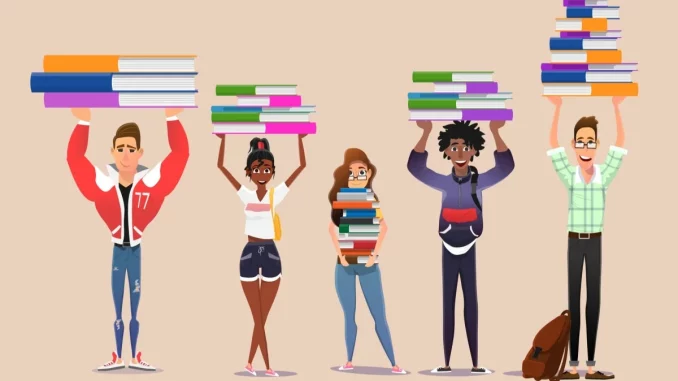
Education is a cornerstone of societal progress, but access to quality education remains uneven across the globe. As we move further into the 21st century, education policy must evolve to address systemic inequities and ensure that all learners, regardless of their background, have access to the tools and opportunities they need to succeed. This article explores the future of education policy, focusing on how governments, institutions, and communities can work together to promote equity and access in education.
The Current State of Education Equity
Despite significant advancements in education over the past century, disparities in access and outcomes persist. Factors such as socioeconomic status, race, gender, geographic location, and disability continue to influence educational opportunities. For example:
- Socioeconomic Barriers: Children from low-income families often lack access to quality schools, resources, and extracurricular activities.
- Geographic Disparities: Rural and remote areas frequently suffer from underfunded schools and a lack of qualified teachers.
- Racial and Gender Inequities: Systemic biases can limit opportunities for marginalized groups, including girls in certain regions and students of color in underfunded urban schools.
- Disability Inclusion: Students with disabilities often face inadequate support and infrastructure, hindering their ability to thrive academically.
These challenges highlight the urgent need for education policies that prioritize equity and inclusion.
Key Trends Shaping the Future of Education Policy
To address these inequities, education policy must adapt to the changing needs of learners and the evolving demands of the global economy. Here are some key trends that are shaping the future of education policy:
1. Universal Access to Early Childhood Education
Research shows that early childhood education (ECE) is critical for cognitive and social development. However, access to ECE remains limited, particularly for children from low-income families. Future education policies must prioritize universal access to high-quality ECE programs, ensuring that all children have a strong foundation for lifelong learning.
2. Bridging the Digital Divide
The COVID-19 pandemic exposed the stark digital divide in education, as millions of students lacked access to devices and reliable internet. Moving forward, education policies must focus on providing affordable internet access, digital devices, and digital literacy training to underserved communities. Initiatives like government-funded broadband expansion and public-private partnerships can play a key role in closing this gap.
3. Inclusive Curriculum Design
Education policies must promote the development of inclusive curricula that reflect the diverse experiences and histories of all students. This includes integrating culturally responsive teaching practices, addressing biases in textbooks, and ensuring that curricula are accessible to students with disabilities. Inclusive education fosters a sense of belonging and empowers students to succeed.
4. Teacher Training and Support
Teachers are at the heart of education, yet many lack the training and resources needed to address the diverse needs of their students. Future policies must invest in professional development programs that equip teachers with the skills to support students from varied backgrounds, including those with disabilities and those learning in multilingual environments.
5. Flexible Learning Pathways
Traditional education systems often follow a one-size-fits-all approach, which can disadvantage students with unique needs or circumstances. Future policies should promote flexible learning pathways, such as online learning, hybrid models, and competency-based education, to accommodate diverse learning styles and life situations.
6. Addressing Systemic Inequities
Education policies must tackle systemic inequities head-on by addressing funding disparities, discriminatory practices, and barriers to access. This includes increasing funding for schools in underserved areas, implementing anti-discrimination policies, and providing targeted support for marginalized groups.
The Role of Technology in Promoting Equity
Technology has the potential to level the playing field in education, but only if it is deployed equitably. Here are some ways technology can support equity and access:
- Online Learning Platforms: Platforms like Khan Academy and Coursera provide free or low-cost educational resources, making high-quality learning materials accessible to all.
- AI-Powered Personalized Learning: AI can tailor educational content to individual students’ needs, helping learners who may struggle in traditional classroom settings.
- Virtual Classrooms: Virtual classrooms enable students in remote or underserved areas to access education from anywhere in the world.
- Assistive Technologies: Tools like screen readers, speech-to-text software, and adaptive learning platforms can support students with disabilities.
However, the benefits of technology can only be realized if policies ensure equitable access to devices, internet connectivity, and digital literacy training.
Global Initiatives Driving Equity in Education
Around the world, governments and organizations are implementing innovative policies to promote equity and access in education. Some notable examples include:
- Finland’s Education Model: Finland’s education system is renowned for its emphasis on equity, with policies that ensure all students, regardless of background, have access to high-quality education.
- India’s Digital India Initiative: This initiative aims to provide broadband access to rural areas, bridging the digital divide and expanding educational opportunities.
- UNESCO’s Education for All (EFA): This global movement advocates for universal access to education, with a focus on marginalized and disadvantaged groups.
These initiatives demonstrate the power of policy in driving systemic change and creating more equitable education systems.
Challenges and Barriers to Equity
While progress is being made, several challenges remain:
- Funding Inequities: Schools in low-income areas often receive less funding, perpetuating cycles of disadvantage.
- Cultural and Social Barriers: Deep-rooted biases and cultural norms can limit educational opportunities for certain groups, particularly girls and women.
- Political Will: Implementing equitable education policies requires political commitment and long-term investment, which can be challenging in resource-constrained environments.
- Resistance to Change: Traditional education systems may resist reforms that challenge established norms and practices.
Addressing these challenges requires a collaborative approach involving governments, educators, communities, and international organizations.
The Future of Education Policy: A Vision for Equity and Access
The future of education policy must be rooted in the principles of equity, inclusion, and accessibility. Here are some key elements of this vision:
- Universal Access: Every child, regardless of their background, should have access to quality education from early childhood through higher education.
- Inclusive Practices: Education systems must be designed to accommodate the diverse needs of all learners, including those with disabilities and those from marginalized communities.
- Sustainable Funding: Governments must commit to equitable funding models that prioritize underserved schools and communities.
- Community Engagement: Policies should involve input from students, parents, and communities to ensure they address local needs and contexts.
- Global Collaboration: International cooperation is essential for sharing best practices, resources, and innovations to promote equity in education.
Conclusion
The future of education policy lies in its ability to address the systemic inequities that have long hindered access to quality education. By prioritizing equity and inclusion, investing in technology and teacher training, and fostering global collaboration, we can create education systems that empower all learners to reach their full potential. As we look to the future, it is clear that education policy must be a driving force for social justice, ensuring that every individual has the opportunity to learn, grow, and thrive.