Setting up a home automation system is no longer a futuristic fantasy reserved for tech enthusiasts—it’s a practical investment that can enhance convenience, security, and energy efficiency in everyday life. As smart devices become more accessible and intuitive, homeowners are increasingly exploring how to integrate technology into their living spaces. The process of building a home automation system involves more than just buying gadgets; it requires thoughtful planning, strategic choices, and an understanding of how different components interact to create a cohesive experience. For professionals and business-minded individuals, the appeal lies not only in the lifestyle upgrade but also in the potential to streamline routines and optimize resources.
The first step in setting up a home automation system is identifying your goals. Automation can serve many purposes, from managing lighting and climate control to enhancing security and entertainment. Clarifying what you want to achieve helps narrow down the options and ensures that your system is tailored to your needs. For example, someone focused on energy efficiency might prioritize smart thermostats and lighting systems, while a frequent traveler may be more interested in remote surveillance and automated locks. This initial assessment sets the foundation for a system that adds real value rather than just novelty.
Choosing a central platform is a critical decision in the setup process. A home automation hub acts as the brain of the system, coordinating communication between devices and allowing for unified control. Popular platforms like Apple HomeKit, Google Home, and Amazon Alexa offer different strengths, and the choice often depends on existing devices, ecosystem preferences, and desired functionality. Compatibility is key—devices must be able to communicate with the hub to ensure seamless operation. Investing in a platform with broad support and a strong developer community can future-proof your system and make it easier to expand over time.
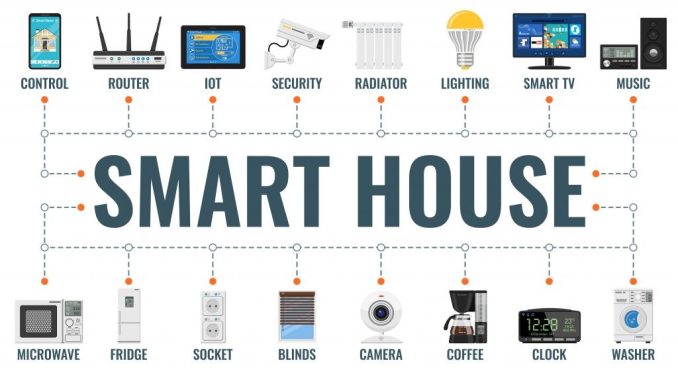
Once the platform is selected, the next step is integrating devices that align with your goals. Smart lighting, for instance, can be programmed to adjust based on time of day, occupancy, or even mood. Motion sensors can trigger lights in hallways or bathrooms, reducing energy waste and enhancing convenience. Smart thermostats learn your habits and adjust temperature settings to optimize comfort and efficiency. Security devices like cameras, doorbells, and locks can be monitored and controlled remotely, providing peace of mind whether you’re at home or away. These devices are not just functional—they’re part of a larger ecosystem that responds to your behavior and preferences.
Connectivity is another important consideration. Most smart devices rely on Wi-Fi, Bluetooth, or proprietary protocols like Zigbee or Z-Wave to communicate. Ensuring a stable and secure network is essential for reliable performance. In larger homes or those with thick walls, mesh Wi-Fi systems can help maintain consistent coverage. Security should also be top of mind—protecting your network with strong passwords, encryption, and regular updates helps safeguard against unauthorized access. As more devices connect to your network, maintaining digital hygiene becomes as important as physical security.
Automation rules and routines bring the system to life. These are the instructions that tell devices how to behave under certain conditions. For example, you might set a rule that turns off all lights and locks the doors when you leave the house, or one that gradually dims the lights and lowers the thermostat at bedtime. These routines can be triggered by time, location, or user input, creating a personalized environment that adapts to your lifestyle. The ability to fine-tune these settings is where the real power of home automation lies—it’s not just about control, but about creating harmony between technology and daily life.
Voice control and mobile apps add another layer of convenience. Being able to adjust settings, check cameras, or activate routines with a simple voice command or tap on your phone makes the system more intuitive and accessible. For busy professionals, this means less time spent managing household tasks and more time focused on priorities. Integration with other services, such as calendars or weather forecasts, can further enhance functionality. Imagine your home adjusting its lighting and temperature based on your schedule or preparing for a rainy day by closing windows and adjusting outdoor lighting.
Scalability is an important factor to consider as well. A well-designed home automation system should be able to grow with your needs. Starting with a few core devices and expanding gradually allows for better budgeting and learning. It also ensures that each addition serves a purpose and fits into the overall system. Whether you’re adding smart appliances, expanding security coverage, or integrating entertainment systems, the goal is to build a network that feels cohesive and intuitive. Businesses entering the smart home market understand this dynamic, offering modular solutions that cater to evolving consumer expectations.
Support and maintenance are often overlooked but essential components of a successful setup. Devices need regular updates to stay secure and functional, and occasional troubleshooting may be required. Choosing reputable brands with strong customer support and clear documentation can make a significant difference. For those less inclined to manage the technical aspects, professional installation and consultation services are available, offering peace of mind and ensuring optimal performance.
Ultimately, setting up a home automation system is about enhancing quality of life through thoughtful integration of technology. It’s not just about gadgets—it’s about creating an environment that responds to your needs, simplifies your routines, and provides greater control over your space. For business professionals, it’s also a reflection of how technology can be leveraged to improve efficiency and comfort in both personal and professional settings. As smart home technology continues to evolve, the possibilities will only expand, offering new ways to connect, protect, and personalize the spaces we call home.