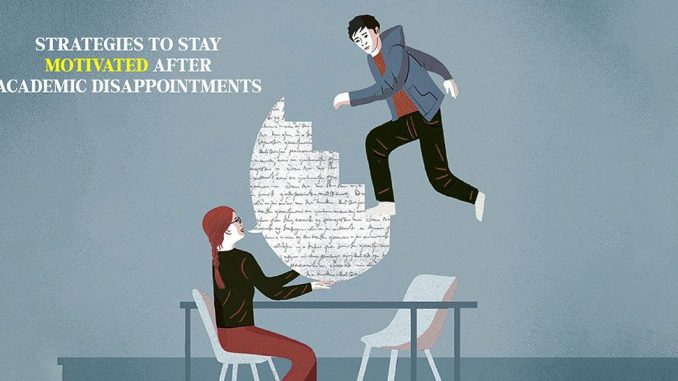
Academic disappointment is something most learners encounter at some point, whether it’s a poor grade, a missed opportunity, or a project that didn’t meet expectations. In the moment, it can feel deflating—like a setback that calls your abilities into question. But in reality, these moments are often the most fertile ground for growth. In business education and professional development, learning how to respond to disappointment is just as important as mastering the material itself. It’s not the failure that defines you, but how you choose to move forward.
The first step in growing from academic disappointment is to shift the narrative. It’s easy to internalize a poor result as a reflection of your worth or potential, but that kind of thinking is both inaccurate and unproductive. Instead, consider the disappointment as feedback—information that points to areas for improvement. A student who struggles with a finance exam might initially feel defeated, but upon reflection, they may realize that their study methods weren’t aligned with the complexity of the material. That insight becomes a turning point, not just for that course, but for how they approach learning more broadly.
Self-awareness plays a critical role in this process. Disappointment often stirs up emotions—frustration, embarrassment, even shame. Rather than suppressing these feelings, it’s important to acknowledge them and explore their source. Are you upset because you didn’t meet your own standards, or because you fear how others will perceive you? Understanding the emotional undercurrents helps you respond with clarity rather than defensiveness. In business, where setbacks are inevitable, this kind of emotional intelligence is invaluable. It allows professionals to stay composed, learn from experience, and lead with empathy.
Once the emotional dust settles, reflection becomes essential. What were the contributing factors to the disappointment? Was it a lack of preparation, a misunderstanding of expectations, or external circumstances beyond your control? Honest reflection doesn’t mean assigning blame—it means identifying patterns and making adjustments. A student who consistently underperforms in group projects might realize they struggle with delegation or time management. Recognizing these patterns opens the door to targeted growth. It’s not about fixing everything at once, but about making deliberate, informed changes that build competence over time.
Support systems can also make a significant difference. Talking through disappointment with a mentor, peer, or instructor can provide perspective and encouragement. These conversations often reveal that others have faced similar challenges and found ways to overcome them. In business school, where collaboration is key, sharing experiences of failure can foster a culture of resilience and mutual support. It reminds everyone that learning is a shared journey, and that setbacks are part of the process—not signs that you don’t belong.
Academic disappointment can also be a catalyst for redefining goals. Sometimes, a poor result prompts you to reconsider your direction. Maybe the subject doesn’t align with your strengths or interests, or maybe your priorities have shifted. These realizations aren’t failures—they’re clarifications. A student who struggles in a quantitative-heavy program might discover a passion for qualitative research or strategic thinking. That pivot can lead to a more fulfilling and successful path. In business, where agility is prized, the ability to reassess and realign is a mark of maturity, not weakness.
Importantly, growing from disappointment requires action. Insight alone isn’t enough—you have to apply it. This might mean adopting new study techniques, seeking additional resources, or setting more realistic timelines. It might mean asking for help, even when it feels uncomfortable. Taking action reinforces the idea that you’re not stuck—you’re evolving. Each step forward builds confidence and momentum. Over time, these small adjustments compound, transforming not just your academic performance but your approach to challenges in general.
Resilience is the long-term reward. When you learn to navigate academic disappointment constructively, you build a mindset that serves you well beyond the classroom. You become more adaptable, more reflective, and more proactive. These qualities are essential in business, where success often depends on how well you respond to adversity. A professional who has learned to grow from academic setbacks is better equipped to handle missed deals, failed launches, or strategic missteps. They don’t crumble—they recalibrate.
Ultimately, academic disappointment is not a detour from success—it’s part of the path. It teaches humility, sharpens focus, and deepens understanding. It challenges you to look inward, to ask hard questions, and to make meaningful changes. In business education, where the stakes can feel high and the pace relentless, learning to grow from disappointment is a skill that pays dividends. It transforms setbacks into stepping stones and turns frustration into fuel. And in the process, it shapes not just better students, but stronger, wiser professionals.