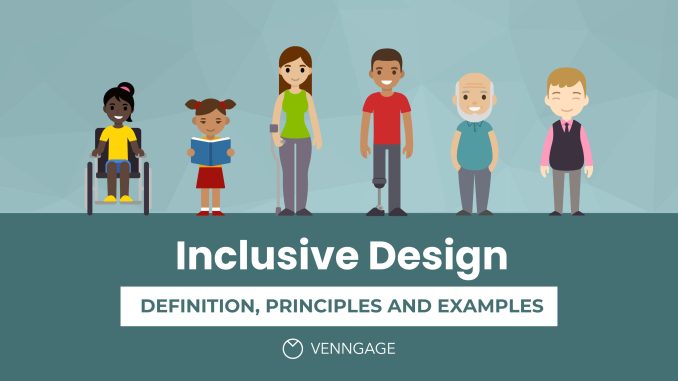
Inclusive design has become a central theme in modern business, reflecting the growing recognition that products, services, and environments must be accessible to people of all abilities, backgrounds, and circumstances. It is about creating solutions that work for everyone, not just for the majority. While design teams and architects often lead the conversation, insurance plays a surprisingly important role in supporting inclusive design. By mitigating risk, incentivizing accessibility, and reinforcing accountability, insurers help ensure that inclusivity is not just an aspiration but a practical reality.
One of the ways insurance supports inclusive design is by reducing the financial risks associated with innovation. Designing for inclusivity often requires investment in new technologies, materials, or processes that may feel uncertain to businesses. Insurers provide a safety net, offering coverage that allows organizations to experiment without fear of catastrophic loss. This protection encourages companies to take bold steps toward inclusivity, knowing that they are supported if challenges arise. In this way, insurance becomes a partner in progress, enabling businesses to push boundaries responsibly.
Insurance also influences standards and compliance. Many industries are governed by regulations that require accessibility, from building codes to workplace safety laws. Insurers often play a role in enforcing these standards by tying coverage to compliance. Businesses that fail to meet accessibility requirements may face higher premiums or limited coverage, while those that prioritize inclusivity benefit from more favorable terms. This dynamic creates a financial incentive to adopt inclusive practices, aligning business interests with societal goals.
Another dimension of insurance’s role in inclusive design is its ability to highlight risk exposure. Exclusionary design can lead to lawsuits, reputational damage, and financial losses. For instance, a building that fails to provide wheelchair access or a digital platform that is not usable by people with visual impairments exposes the business to significant liability. Insurers help organizations identify these risks and encourage proactive measures to address them. By framing inclusivity as a risk management issue, insurance ensures that accessibility is not overlooked but integrated into core business strategies.
Insurance also supports inclusive design by fostering resilience. Inclusive environments are often safer and more adaptable, reducing the likelihood of accidents or failures. For example, a workplace designed with clear signage, accessible pathways, and ergonomic equipment is less likely to experience injuries. Insurers recognize this and reward businesses that invest in inclusive design with lower premiums or broader coverage. This creates a cycle where inclusivity reduces risk, and reduced risk lowers costs, reinforcing the value of inclusive practices.
The rise of digital platforms has expanded the scope of inclusive design, and insurance has adapted accordingly. Cyber insurance, for instance, increasingly considers accessibility in digital environments. Companies that fail to design inclusive websites or applications may face claims related to discrimination or exclusion. Insurers encourage businesses to adopt inclusive digital practices, not only to avoid liability but also to strengthen customer trust. In this way, insurance extends its influence beyond physical spaces into the digital realm, ensuring that inclusivity is embedded in every aspect of modern business.
Insurance also plays a role in shaping culture. By rewarding inclusive practices, insurers send a clear message that accessibility is not optional but essential. This cultural reinforcement helps businesses view inclusivity not as a burden but as a strategic advantage. Employees, customers, and stakeholders begin to see inclusive design as part of the organization’s identity, supported by external validation from insurers. Over time, this cultural shift creates environments where inclusivity is celebrated and normalized.
Collaboration between insurers and businesses further strengthens inclusive design. Insurers often provide guidance, resources, and expertise to help organizations implement accessibility measures effectively. This collaboration ensures that businesses are not navigating inclusivity alone but have partners who understand the risks and opportunities involved. By sharing best practices and offering tailored solutions, insurers help organizations design inclusively in ways that are practical, sustainable, and aligned with industry standards.
The financial impact of inclusive design supported by insurance is significant. Businesses that embrace inclusivity often see reduced claims, lower premiums, and improved profitability. At the same time, they attract a broader customer base, enhance reputation, and strengthen loyalty. Insurance magnifies these benefits by providing the framework that makes inclusivity financially viable. It transforms accessibility from a moral imperative into a business advantage, demonstrating that inclusivity and profitability can go hand in hand.
Insurance also supports inclusive design by encouraging long-term thinking. Coverage often extends over years, requiring businesses to consider how their design choices will hold up over time. This perspective ensures that inclusivity is not treated as a short-term fix but as a lasting commitment. Insurers help organizations anticipate future needs, from demographic shifts to technological advancements, ensuring that inclusive design evolves alongside society. This long-term view reinforces sustainability and resilience, making inclusivity a permanent feature rather than a temporary trend.
The role of insurance in inclusive design also extends to accountability. When businesses fail to prioritize accessibility, insurers may limit coverage or increase costs, creating tangible consequences. This accountability ensures that inclusivity is not just a matter of good intentions but of measurable action. By holding organizations responsible, insurers help drive systemic change, ensuring that inclusive design becomes embedded in industries rather than remaining optional.
Ultimately, insurance supports inclusive design by bridging the gap between aspiration and implementation. It provides the financial protection, incentives, and accountability needed to turn inclusive ideas into practical realities. It encourages businesses to innovate, comply, and adapt, while reinforcing the cultural and financial value of accessibility. In doing so, insurance helps create a world where inclusivity is not just a design principle but a lived experience, accessible to all.
The partnership between insurance and inclusive design reflects a broader truth: inclusivity is not only about fairness but also about resilience, sustainability, and growth. By supporting businesses in their efforts to design inclusively, insurers contribute to a future where accessibility is woven into the fabric of society. This collaboration ensures that inclusivity is not just a goal but a standard, shaping environments, products, and services that truly work for everyone.