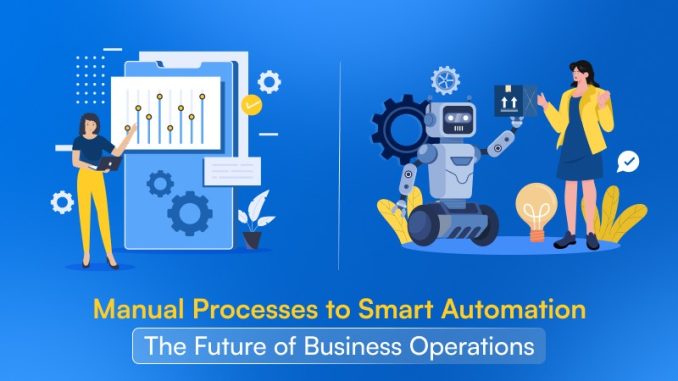
The evolution of IT operations has always been driven by the need for efficiency, reliability, and scalability. In the early days, much of the work was manual, requiring teams to configure servers, monitor systems, and troubleshoot issues by hand. While this approach provided control, it was also time-consuming and prone to human error. As organizations grew and technology environments became more complex, the limitations of manual processes became increasingly apparent. The shift toward automation emerged as a natural response, offering a way to streamline operations and free IT teams to focus on higher-value tasks.
Automation in IT operations is not about eliminating human involvement but about enhancing it. By automating repetitive and predictable tasks, organizations reduce the risk of mistakes and accelerate processes that once took hours or days. For instance, provisioning new servers or deploying software updates can now be handled with scripts and orchestration tools, ensuring consistency across environments. This not only saves time but also creates a more reliable foundation for business-critical systems, where downtime or misconfiguration can have significant consequences.
The transition from manual to automated operations also reflects a broader cultural shift within IT. Traditionally, teams were reactive, responding to issues as they arose and relying on manual intervention to restore service. Automation enables a more proactive approach, where systems are monitored continuously and responses are triggered automatically when anomalies are detected. This shift reduces the burden on IT staff, allowing them to focus on strategic initiatives rather than firefighting. It also improves the overall resilience of systems, as automated responses can be faster and more precise than manual ones.
One of the most significant benefits of automation is scalability. In a manual environment, scaling infrastructure to meet growing demand requires significant effort, often involving long hours and complex coordination. Automation changes the equation by enabling systems to scale dynamically, adjusting resources in real time based on usage patterns. This capability is particularly valuable in cloud environments, where workloads can fluctuate dramatically. Automated scaling ensures that businesses can meet demand without overprovisioning, optimizing both performance and cost.
Security is another area where automation plays a critical role. Manual processes often leave gaps, as human oversight can miss vulnerabilities or delay responses to threats. Automated security tools can continuously scan systems, apply patches, and enforce compliance policies without waiting for human intervention. This reduces exposure to risks and ensures that organizations remain aligned with regulatory requirements. By embedding security into automated workflows, businesses create a more robust defense against increasingly sophisticated cyber threats.
The journey toward automation does require investment and planning. Organizations must identify which processes are best suited for automation and ensure that the tools they adopt integrate seamlessly with existing systems. Not every task can or should be automated, and striking the right balance is essential. For example, while routine maintenance and monitoring are ideal candidates, complex decision-making often requires human judgment. Successful automation strategies recognize this distinction and design workflows that complement rather than replace human expertise.
Automation also changes the skill sets required within IT teams. Professionals must move beyond manual execution and develop expertise in scripting, orchestration, and managing automated environments. This shift can be challenging but ultimately empowers IT staff to take on more strategic roles. Instead of spending time on repetitive tasks, they can focus on optimizing systems, improving user experiences, and driving innovation. In this way, automation not only streamlines operations but also elevates the role of IT within the organization.
The impact of automation extends beyond IT departments to the broader business. Faster deployment cycles, improved reliability, and enhanced scalability all contribute to greater agility. Organizations can respond more quickly to market changes, launch new products faster, and deliver better customer experiences. Automation becomes a competitive advantage, enabling businesses to operate with speed and precision in environments where delays or inefficiencies can be costly.
Despite its benefits, automation is not a one-time project but an ongoing journey. As technologies evolve and business needs change, automation strategies must be revisited and refined. Continuous improvement is key, ensuring that automated processes remain aligned with organizational goals and adapt to new challenges. This requires a mindset of experimentation and learning, where IT teams are encouraged to explore new tools and approaches while maintaining a focus on reliability and security.
The cultural dimension of automation should not be overlooked. Moving from manual to automated operations requires a shift in how teams think about their work. Resistance to change is natural, particularly when automation is perceived as a threat to jobs. Leaders must communicate clearly that automation is about empowerment, not replacement. By highlighting the opportunities for growth and the value of freeing staff from repetitive tasks, organizations can foster a culture that embraces automation as a positive force.
Ultimately, the move from manual to automated IT operations is about creating systems that are more efficient, resilient, and adaptable. It is about recognizing that the demands of modern business cannot be met with outdated processes and that automation provides the tools to meet those demands effectively. The journey requires investment, planning, and cultural change, but the rewards are significant. Organizations that embrace automation position themselves to thrive in a digital-first world, where speed, reliability, and scalability are essential.
The future of IT operations will be defined by automation, but it will also be shaped by the people who design, manage, and refine these systems. Human expertise remains at the heart of innovation, guiding the development of automated workflows and ensuring that they align with business goals. By combining the strengths of automation with the creativity and judgment of IT professionals, organizations can achieve a balance that delivers both efficiency and impact. The journey from manual to automated is not just about technology—it is about transformation, and it is one that will continue to shape the future of business.