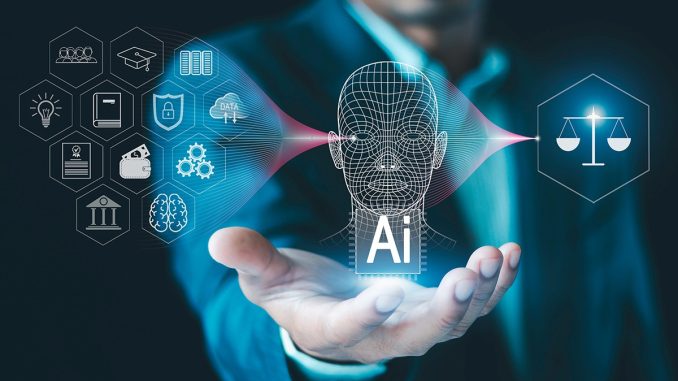
Designing future-proof technology solutions is a strategic endeavor that requires more than just technical expertise—it demands foresight, adaptability, and a deep understanding of evolving business landscapes. In a world where technological change is constant and disruption is the norm, building systems that can withstand the test of time is both a challenge and a necessity. Future-proofing is not about predicting every possible development, but about creating solutions that are resilient, scalable, and flexible enough to evolve alongside shifting demands and emerging innovations.
At the heart of future-proof design is the principle of modularity. Systems built with modular architecture are inherently more adaptable because their components can be updated, replaced, or expanded without overhauling the entire infrastructure. This approach allows organizations to respond quickly to new requirements, integrate emerging technologies, and scale operations efficiently. For example, a logistics company might design its routing software with modular APIs that allow for easy integration with new mapping tools or traffic data providers. As the business grows or as better services become available, the system can evolve without disrupting core operations.
Interoperability is another cornerstone of future-proof technology. Solutions must be able to communicate and function across diverse platforms, devices, and environments. This means adhering to open standards, supporting multiple protocols, and avoiding vendor lock-in. When systems are designed to work well with others, they become more versatile and sustainable. A healthcare provider, for instance, might implement electronic health records that can exchange data seamlessly with labs, pharmacies, and insurance systems. This not only improves patient care but also ensures that the technology remains relevant as the ecosystem changes.
Scalability is essential for future-proofing, particularly in environments where growth is unpredictable. Systems must be able to handle increased loads, expanded user bases, and more complex workflows without degradation in performance. Cloud-native architectures offer a compelling solution, enabling dynamic resource allocation and elastic scaling. A startup launching a new app might begin with modest infrastructure but design its backend to scale automatically as user adoption increases. This foresight prevents bottlenecks and ensures that the technology can support success rather than hinder it.
Security and compliance must also be built into the foundation of future-proof solutions. As regulations evolve and threats become more sophisticated, systems must be able to adapt without compromising integrity. This involves implementing robust security frameworks, maintaining audit trails, and designing for privacy by default. A financial institution, for example, must ensure that its transaction systems can accommodate new compliance requirements without extensive reengineering. By embedding security and governance into the architecture, organizations can navigate change with confidence and maintain trust with stakeholders.
User-centric design plays a pivotal role in future-proofing technology. Solutions must be intuitive, accessible, and responsive to user needs, which are likely to evolve over time. This means conducting ongoing research, gathering feedback, and iterating based on real-world usage. A software company might release a product with a clean interface and core functionality, then expand features based on user behavior and requests. By staying attuned to the people who use the technology, designers can ensure that it remains relevant and valuable in the long term.
Sustainability is increasingly part of the conversation around future-proof technology. As environmental concerns grow, organizations are looking for solutions that minimize energy consumption, reduce waste, and support responsible practices. This might involve optimizing code for efficiency, choosing energy-efficient hardware, or designing systems that support remote work and digital collaboration. A multinational corporation might invest in virtual meeting platforms that reduce travel while maintaining productivity. These choices not only align with corporate values but also position the organization for long-term viability in a changing world.
The ability to embrace emerging technologies is a hallmark of future-proof design. This doesn’t mean chasing every trend, but rather creating systems that can integrate new capabilities when they prove valuable. Artificial intelligence, blockchain, and edge computing are just a few examples of innovations that are reshaping industries. A retail company might design its inventory system to incorporate machine learning for demand forecasting or blockchain for supply chain transparency. By building with an eye toward innovation, organizations can stay ahead of the curve and leverage new tools as they mature.
Leadership and culture are critical to sustaining future-proof technology. Teams must be empowered to experiment, learn, and adapt. This involves fostering a mindset of continuous improvement, encouraging cross-functional collaboration, and investing in professional development. When people are aligned around a shared vision and equipped to navigate change, the technology they build is more likely to endure. A tech firm might establish internal innovation labs where employees explore new ideas and prototype solutions. These initiatives not only drive progress but also reinforce a culture of resilience and agility.
Ultimately, designing future-proof technology solutions is about creating value that lasts. It’s about anticipating change, embracing complexity, and building with purpose. It requires a blend of strategic thinking, technical excellence, and human insight. In a world where the only constant is change, future-proofing is not a destination—it’s a discipline. Organizations that master it will be better positioned to innovate, compete, and thrive, no matter what the future holds.