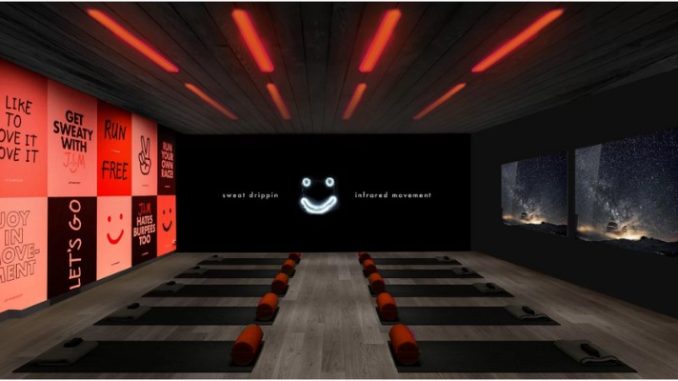
For many people, the idea of fitness is closely tied to the gym. Rows of treadmills, racks of weights, and structured classes often define what it means to exercise. Yet movement is far broader than this narrow definition, and finding joy in it requires looking beyond the confines of traditional fitness spaces. Movement is not just about burning calories or sculpting muscles; it is about reconnecting with the body, discovering new forms of expression, and integrating activity into daily life in ways that feel natural and fulfilling.
One of the most powerful aspects of movement is its versatility. Walking through a park, dancing in the living room, or stretching during a break at work all count as meaningful forms of physical activity. These moments may not carry the intensity of a gym workout, but they contribute to overall health and well-being. More importantly, they often feel less like a chore and more like a source of enjoyment. When movement is woven into everyday routines, it becomes sustainable, offering long-term benefits without the pressure of rigid schedules.
The joy of movement also lies in its ability to connect people with their environment. Outdoor activities such as cycling, hiking, or swimming provide opportunities to experience nature while staying active. These experiences engage the senses in ways that indoor workouts cannot, offering fresh air, changing scenery, and a sense of exploration. For professionals who spend much of their time in offices or virtual meetings, these activities can be both restorative and energizing, helping to reset the mind while strengthening the body.
Social connection is another dimension of movement that often gets overlooked. While gyms can foster community, many forms of movement outside the gym create deeper bonds. Playing a casual game of basketball, joining a local dance group, or participating in a charity walk all combine physical activity with shared experiences. These interactions build relationships and create memories, making movement something to look forward to rather than a solitary obligation. In business contexts, encouraging team-based activities can even strengthen collaboration and morale.
Creativity plays a role as well. Movement does not have to follow strict patterns or routines. It can be expressive, playful, and spontaneous. Dancing, for instance, allows individuals to interpret music through their bodies, blending rhythm with emotion. Yoga combines physical postures with mindfulness, offering both strength and serenity. Even simple activities like stretching or balancing can become opportunities to explore what the body is capable of. This creative approach transforms movement from a task into an art form, fostering joy and curiosity.
The mental benefits of movement are equally significant. Physical activity stimulates the release of endorphins, which improve mood and reduce stress. Beyond the chemical effects, movement provides a break from cognitive demands, allowing the mind to reset. For professionals navigating high-pressure environments, incorporating movement into the day can enhance focus, creativity, and resilience. It becomes not just a tool for physical health but a strategy for maintaining mental clarity and emotional balance.
Accessibility is another reason to embrace movement beyond the gym. Not everyone has the time, resources, or inclination to commit to structured workouts. By broadening the definition of fitness, individuals can find activities that suit their lifestyles and preferences. Whether it is gardening, playing with children, or taking the stairs instead of the elevator, these small choices accumulate into meaningful impacts. This inclusive perspective ensures that movement is available to everyone, regardless of circumstances.
The sustainability of movement outside the gym is particularly important in the long run. Many people struggle to maintain strict workout regimens, often abandoning them after a few months. By contrast, activities that bring genuine enjoyment are easier to sustain. When movement is associated with pleasure rather than obligation, it becomes a natural part of life. This shift in mindset helps individuals build habits that endure, supporting health and vitality over decades rather than weeks.
Businesses and organizations can benefit from promoting this broader view of movement. Encouraging employees to integrate activity into their routines—whether through walking meetings, flexible breaks, or wellness initiatives—can improve productivity and reduce burnout. Movement becomes a tool for engagement, fostering a healthier workforce and a more positive workplace culture. In industries where innovation and collaboration are critical, the energy and focus gained from regular movement can directly influence performance.
Technology has also expanded the possibilities for finding joy in movement. Wearable devices, mobile apps, and virtual communities provide tools to track progress, share experiences, and discover new activities. These platforms make movement more interactive and personalized, allowing individuals to set goals that align with their interests. Rather than dictating rigid programs, technology can inspire exploration, helping people discover forms of activity they genuinely enjoy.
The cultural perception of fitness is gradually shifting toward this broader understanding. More people are recognizing that health is not defined by hours spent in the gym but by consistent engagement with movement in everyday life. This perspective emphasizes balance, encouraging individuals to find activities that nurture both body and mind. It also challenges the notion that fitness must be competitive or performance-driven, opening the door to more inclusive and joyful experiences.
Ultimately, finding joy in movement requires reframing the way we think about physical activity. It is not about meeting external standards or following rigid routines; it is about discovering what feels good, what fits into our lives, and what brings us energy. By embracing movement in all its forms, individuals can cultivate healthier habits, stronger connections, and greater satisfaction. Beyond the gym lies a world of possibilities, where movement is not just exercise but a celebration of life itself.
For professionals and organizations alike, this shift offers valuable lessons. Sustainable success depends not only on strategy and execution but also on the well-being of the people involved. Encouraging movement beyond the gym is a practical way to support that well-being, fostering resilience, creativity, and joy. In the end, the power of movement lies not in its intensity but in its ability to enrich daily life, reminding us that health and happiness are inseparable from the way we move.