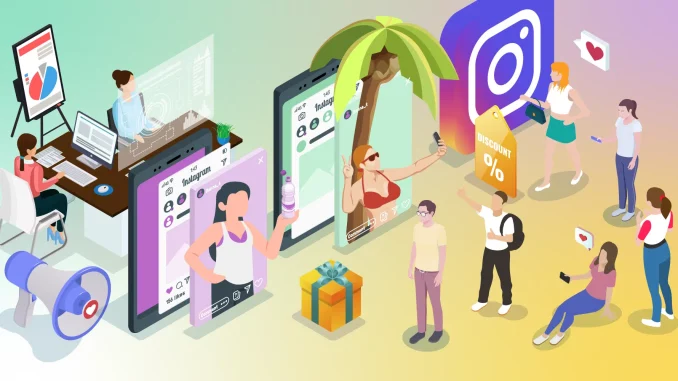
Influencer marketing has become one of the most powerful tools in modern business. With the rise of social media platforms like Instagram, TikTok, and YouTube, influencers have the ability to reach millions of followers and drive consumer behavior. In 2024, businesses are increasingly leveraging influencer partnerships to build brand awareness, engage with audiences, and boost sales. This article explores the role of influencer marketing in today’s business landscape, its benefits, challenges, and strategies for success.
1. What is Influencer Marketing?
Influencer marketing involves collaborating with individuals who have a significant following on social media to promote products or services. These influencers can range from celebrities to micro-influencers with niche audiences. The key to successful influencer marketing lies in choosing the right influencer whose audience aligns with your brand’s target market. Unlike traditional advertising, influencer marketing feels more authentic and relatable, as followers trust the recommendations of their favorite influencers.
2. The Benefits of Influencer Marketing
- Increased Brand Awareness: Influencers can expose your brand to a wider audience, especially if they have a large and engaged following.
- Improved Credibility: Consumers are more likely to trust a product recommended by someone they admire or relate to.
- Higher Engagement Rates: Influencer content often generates more likes, comments, and shares compared to traditional ads.
- Targeted Marketing: Influencers often have a specific niche, allowing businesses to reach their ideal customers more effectively.
- Cost-Effective: Compared to traditional advertising, influencer marketing can be more affordable, especially when working with micro-influencers.
3. Types of Influencers
- Mega-Influencers: Celebrities with millions of followers. Best for large-scale campaigns but can be expensive.
- Macro-Influencers: Popular figures with 100,000 to 1 million followers. They offer a balance between reach and engagement.
- Micro-Influencers: Individuals with 10,000 to 100,000 followers. They have highly engaged audiences and are often more affordable.
- Nano-Influencers: People with fewer than 10,000 followers. They have a strong connection with their audience and are ideal for hyper-local campaigns.
4. Challenges of Influencer Marketing
- Finding the Right Influencer: Not all influencers are a good fit for your brand. It’s essential to research their audience, values, and content style.
- Measuring ROI: Tracking the success of influencer campaigns can be challenging. Businesses need to set clear goals and use analytics tools to measure performance.
- Fake Followers: Some influencers may have purchased fake followers, which can lead to poor campaign results.
- Regulatory Compliance: Influencers must disclose sponsored content to comply with advertising regulations, such as the FTC guidelines in the U.S.
5. Strategies for Successful Influencer Marketing
- Set Clear Goals: Define what you want to achieve, whether it’s brand awareness, lead generation, or sales.
- Choose the Right Platform: Different platforms cater to different audiences. For example, Instagram is great for visual content, while LinkedIn is better for B2B marketing.
- Create Authentic Content: Allow influencers to showcase your product in a way that feels natural and genuine.
- Build Long-Term Relationships: Instead of one-off campaigns, consider long-term partnerships to build trust and consistency.
- Track and Analyze Performance: Use tools like Google Analytics, social media insights, and influencer marketing platforms to measure the success of your campaigns.
6. The Future of Influencer Marketing
As social media continues to evolve, so does influencer marketing. In 2024, we can expect to see more brands collaborating with virtual influencers (AI-generated personas) and leveraging emerging platforms like TikTok and Twitch. Additionally, the rise of shoppable posts and live-streaming will make influencer marketing even more interactive and results-driven. Businesses that stay ahead of these trends will be well-positioned to succeed in the digital age.
Conclusion
Influencer marketing is no longer just a trend; it’s a vital component of modern business strategy. By partnering with the right influencers, businesses can build brand awareness, engage with their target audience, and drive sales. However, success requires careful planning, authentic content, and ongoing performance analysis. As the digital landscape continues to evolve, influencer marketing will remain a powerful tool for businesses looking to connect with consumers in meaningful ways.