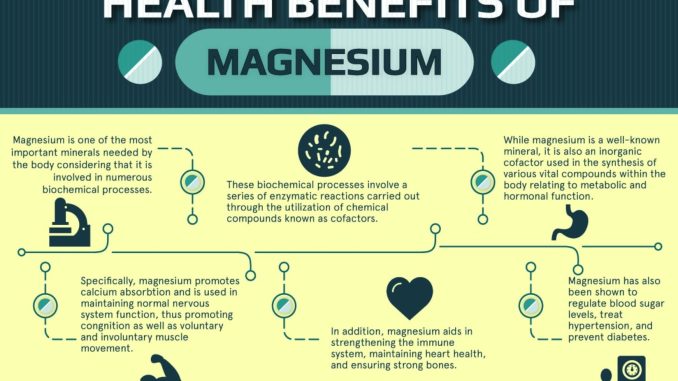
Magnesium is one of those nutrients that rarely gets the attention it deserves, yet it plays an essential role in keeping the body functioning smoothly. Often called the “unsung hero” of minerals, magnesium is involved in more than 300 biochemical processes, influencing everything from energy production to muscle function to mood regulation. Despite its importance, many people fall short of getting enough magnesium through their diets, leading to subtle but impactful imbalances. Understanding its role provides not only insight into how the body maintains balance but also a reminder of how foundational nutrients are to health and performance. For professionals, this perspective highlights that just as businesses depend on unseen infrastructure to operate effectively, the body depends on minerals like magnesium to support its daily demands.
One of the most critical functions of magnesium is its role in energy production. Every cell in the body relies on magnesium to produce ATP, the molecule that fuels cellular activity. Without adequate magnesium, the body struggles to efficiently convert food into energy, leaving individuals more prone to fatigue. This is particularly relevant for people balancing demanding work schedules and long hours, as energy dips are often attributed to stress or lack of sleep when, in fact, nutrient deficiencies may also be contributing. Magnesium acts like a steady supply line in business operations—rarely noticed when it is working well, but disruptive when it is lacking.
Magnesium is also vital for muscle and nerve function. It helps muscles contract and relax properly and ensures that nerves communicate effectively. When levels are low, people often experience symptoms such as muscle cramps, twitching, or even restless sleep. For athletes or professionals who exercise regularly to manage stress, insufficient magnesium can hinder recovery and make workouts less effective. It also influences heart health by supporting normal rhythm and blood pressure regulation, underscoring its role in maintaining both performance and resilience. Much like having well-trained staff to carry out daily operations, magnesium keeps the body’s “team” of muscles and nerves operating smoothly.
Another area where magnesium plays a powerful role is stress regulation. It is sometimes referred to as a natural relaxant because of its influence on the nervous system. Magnesium helps regulate cortisol, the hormone that drives the body’s stress response. When magnesium is lacking, the body is more prone to heightened stress reactions, anxiety, and even difficulty sleeping. For professionals managing constant deadlines or high-pressure environments, ensuring adequate magnesium can mean the difference between feeling perpetually on edge and maintaining a sense of calm focus. This function mirrors risk management in business: with safeguards in place, systems handle pressure better and recover more quickly from setbacks.
Magnesium also has a profound impact on metabolic and hormonal health. It supports insulin sensitivity, helping the body regulate blood sugar levels more effectively. Low magnesium levels have been linked with a higher risk of developing type 2 diabetes and metabolic syndrome. For individuals trying to manage energy throughout long workdays, balanced blood sugar is critical, and magnesium provides an often-overlooked foundation for this stability. It also contributes to bone health, working alongside calcium and vitamin D to maintain strength and density. This interconnectedness shows how magnesium is not an isolated nutrient but part of a broader system that influences long-term well-being.
Dietary sources of magnesium include leafy greens, nuts, seeds, legumes, and whole grains. Yet despite the abundance of sources, modern diets often fall short. Highly processed foods strip away many of the minerals found in natural ingredients, and busy lifestyles mean meals are often chosen for convenience rather than nutrient density. This pattern leaves many people unknowingly deficient, experiencing symptoms like low energy, irritability, or poor sleep without connecting them to magnesium intake. Professionals may relate to this as overlooking small inefficiencies in operations—individually minor but collectively draining over time.
The relationship between magnesium and sleep deserves special attention. Adequate magnesium supports the production of melatonin, the hormone that regulates sleep-wake cycles, and it also calms the nervous system, making it easier to relax at night. Poor sleep is often blamed solely on stress or screen time, but a lack of magnesium can amplify these issues. Restorative sleep, in turn, is critical for productivity, focus, and long-term health. This cycle underscores how magnesium contributes indirectly to professional performance by improving the quality of rest and recovery.
It is also worth noting that magnesium needs can increase during times of heightened stress, illness, or intense physical activity. These are often the very periods when individuals neglect proper nutrition, creating a double strain on the body. Recognizing this dynamic helps reframe magnesium not just as a static requirement but as a resource that fluctuates with demand. In business terms, it is like cash reserves—sufficient during stable periods but requiring more attention during growth or crisis. Ensuring the body has enough magnesium during demanding times helps maintain resilience and prevent breakdowns.
Ultimately, magnesium exemplifies the importance of addressing health at the foundational level. It influences energy, stress, sleep, metabolic balance, and muscular function, all of which determine how well individuals perform both personally and professionally. While it may not carry the same visibility as other health strategies, its role is essential, and deficiencies often ripple into broader problems. By paying attention to magnesium intake through diet or supplementation when necessary, individuals can create a stronger foundation for health and productivity. Just as thriving businesses depend on robust systems behind the scenes, thriving individuals depend on nutrients like magnesium to keep their bodies and minds functioning at their best.
Would you like me to also prepare a shorter, 400–500 word version of this article that you could use for professional newsletters or LinkedIn wellness posts?