Health fads have a way of catching attention quickly. A new diet trend, supplement, or workout routine surfaces with promises of fast results, and suddenly it seems like everyone is talking about it. Social media, advertising, and even well-meaning friends amplify the hype, making it easy to believe that this one new approach might finally be the answer. The problem is that many of these trends are built on shaky science or designed for short-term impact, leaving people feeling disappointed, frustrated, or even worse off than before. Learning how to avoid health fads that don’t last is not about rejecting change or new ideas but about cultivating a thoughtful, grounded approach to health that stands the test of time.
One of the main reasons fads gain traction is because they simplify complex problems into easy-sounding solutions. Promises like “lose ten pounds in a week” or “reset your body in three days” offer instant gratification, which is appealing in a world where time and energy are always in short supply. Yet, just as in business, when something sounds too good to be true, it usually is. Health is influenced by countless factors—nutrition, sleep, stress, genetics, environment—and no single product or routine can override that complexity. By recognizing that sustainable health requires layered, consistent effort rather than shortcuts, you immediately gain perspective on which trends are worth considering and which should be approached with caution.
Another red flag of a health fad is its lack of adaptability. Many trendy diets, for instance, rely on rigid rules that do not fit easily into real life. Whether it is cutting out entire food groups or restricting eating to narrow windows of time, these approaches may work temporarily but often collapse when daily pressures return. For professionals juggling work, travel, and family, sustainability is more important than intensity. A health approach that only functions in ideal circumstances is much like a business strategy that collapses under pressure—it may look impressive on paper but lacks resilience in practice. Asking whether a health change can fit into your lifestyle six months from now is often the best test of its long-term potential.
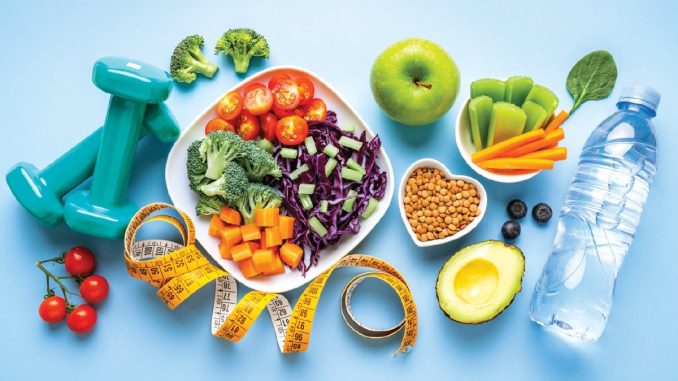
Science and evidence should also guide decisions about health practices. Many fads rely heavily on anecdotal testimonials or celebrity endorsements while offering little research to back their claims. By contrast, approaches rooted in scientific consensus may not promise overnight transformation but consistently demonstrate results over time. For example, balanced diets rich in whole foods, regular physical activity, stress management, and adequate sleep are not glamorous, but they are proven pillars of health. Professionals know the value of data-driven decision-making; applying the same mindset to personal health helps filter out noise and focus on strategies that are actually effective.
The psychological appeal of novelty also drives many health fads. Humans naturally crave variety and excitement, which is why a new superfood or trendy workout often feels energizing at first. But novelty wears off quickly, and without deeper purpose, the habit fades. Instead of chasing constant novelty, it helps to anchor health practices to meaningful goals. For instance, framing nutrition in terms of improving focus at work or maintaining energy for family life creates intrinsic motivation that lasts longer than the excitement of trying something new. In the professional world, initiatives tied to core values tend to endure, while those driven by trends tend to fizzle out. The same logic applies to personal health.
Social influence is another factor that can blur judgment. Seeing peers adopt a certain diet or workout plan creates pressure to join in, even if the approach is not right for your body or circumstances. This dynamic is no different from businesses following industry fads, sometimes abandoning sound strategies in favor of what competitors are doing. The antidote is clarity: knowing your own priorities, limits, and long-term goals helps you evaluate whether a trend supports your health or simply distracts from it. By focusing on alignment rather than conformity, you build habits that last regardless of external noise.
Practicality is often the strongest measure of whether a health practice will endure. If a routine requires expensive equipment, rare ingredients, or significant disruptions to your schedule, chances are it will not stick. True sustainability lies in practices that can be maintained under the real conditions of your life. Something as straightforward as walking daily, preparing simple meals with whole foods, or practicing short mindfulness breaks often proves more impactful over time than elaborate programs. These modest practices build consistency, and consistency is the true engine of health. Professionals know that long-term success rarely comes from sweeping gestures but from steady, repeatable actions that accumulate into lasting results.
It is also worth recognizing that health fads often play on insecurity. Marketing strategies amplify fears about aging, weight, or performance, offering quick fixes as reassurance. By stepping back and questioning whether a trend is appealing because of genuine value or because it feeds into a fear, you gain greater control over your choices. Confidence in your ability to make steady, thoughtful health decisions acts as a safeguard against being pulled into cycles of hope and disappointment.
Ultimately, avoiding health fads that don’t last comes down to mindset. Instead of searching for the next breakthrough, shift focus to building habits that feel sustainable, adaptable, and purposeful. Choose practices that enhance energy, clarity, and resilience, not just in the short term but as part of a long-term foundation for well-being. Much like in business, where lasting success depends on strong fundamentals rather than fleeting trends, health is best supported by strategies that endure beyond the hype. By grounding your approach in evidence, practicality, and personal alignment, you can navigate the ever-changing landscape of wellness with confidence, knowing that your energy and resources are invested where they will truly make a difference.
Would you like me to also prepare a shorter 400–500 word version of this article that could work well as a professional wellness insight for newsletters or LinkedIn?