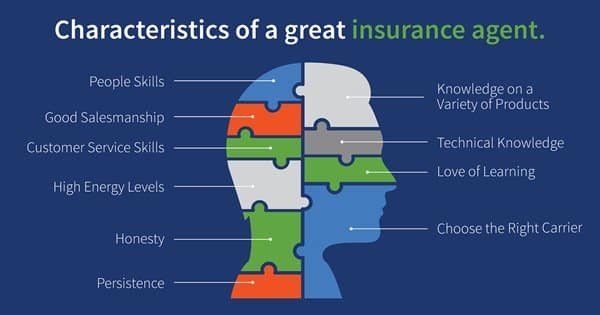
The path of an insurance agent is one marked by continuous evolution, shaped by shifting market dynamics, regulatory changes, and the ever-present need to build trust. It’s a profession that demands both technical expertise and emotional intelligence, blending analytical thinking with interpersonal finesse. For those who choose this journey, growth is not just measured in sales figures or client portfolios—it’s reflected in resilience, adaptability, and the ability to navigate complexity with clarity and confidence.
Most agents begin their careers with a steep learning curve. The fundamentals of underwriting, policy structures, and compliance form the backbone of their education, but the real lessons often come from the field. Early on, agents discover that selling insurance is less about pushing products and more about solving problems. Clients rarely wake up excited to buy coverage; they’re motivated by concerns, obligations, and uncertainties. The agent’s role is to translate those emotions into actionable solutions, guiding clients through options that often feel overwhelming. This requires patience, empathy, and the ability to listen deeply—skills that aren’t always taught in licensing courses but are essential for long-term success.
As agents gain experience, they begin to refine their approach. They learn to identify patterns in client behavior, anticipate objections, and tailor their messaging to different audiences. A young professional buying their first health plan has different priorities than a retiree reviewing long-term care options. Understanding these nuances allows agents to build credibility and foster relationships that go beyond transactions. The most successful agents don’t just sell policies—they become trusted advisors, helping clients navigate life’s transitions with foresight and assurance.
Technology has added both opportunities and challenges to this journey. Digital platforms have streamlined many aspects of the job, from quoting and enrollment to customer service and claims support. Agents can now reach clients through multiple channels, manage their books more efficiently, and access data that enhances decision-making. But with these tools comes the pressure to stay current. Clients expect fast, intuitive service, and agents must continually adapt to new systems, platforms, and expectations. The rise of insurtech has also introduced competition from automated solutions, prompting agents to differentiate themselves through personalized service and human connection.
Regulatory shifts present another layer of complexity. Insurance is a highly regulated industry, and agents must stay abreast of changes in laws, licensing requirements, and ethical standards. This is especially true in specialized areas like health, life, and commercial insurance, where compliance is critical and missteps can have serious consequences. Navigating these changes requires diligence and a commitment to ongoing education. Agents who invest in professional development not only protect their practice but also position themselves as informed and reliable partners in a landscape that’s constantly evolving.
One of the most significant challenges agents face is maintaining motivation in the face of rejection. Insurance sales can be emotionally taxing, with long hours, fluctuating income, and frequent setbacks. Prospects may decline coverage, clients may cancel policies, and market conditions may shift unexpectedly. In these moments, resilience becomes a defining trait. Agents who succeed learn to view rejection not as a personal failure but as part of the process. They develop routines, seek mentorship, and cultivate a mindset that embraces growth through adversity. This emotional fortitude is often what separates those who thrive from those who burn out.
Networking and relationship-building are central to the agent’s journey. Referrals, partnerships, and community engagement all contribute to a sustainable practice. Agents who immerse themselves in their local markets, attend events, and support causes often find that trust is built not just through expertise but through visibility and authenticity. These connections create a ripple effect, leading to new opportunities and reinforcing the agent’s reputation as someone who genuinely cares. In an industry built on trust, reputation is everything.
As agents mature in their careers, many choose to specialize. Whether it’s focusing on high-net-worth clients, small businesses, or niche markets like agriculture or aviation, specialization allows agents to deepen their knowledge and offer more targeted solutions. It also opens doors to advanced certifications and leadership roles, expanding their influence within the industry. For some, this journey leads to agency ownership, where they transition from individual contributor to business leader. Managing a team, setting strategy, and mentoring new agents adds a new dimension to their growth, blending entrepreneurial ambition with industry expertise.
Despite the challenges, the insurance agent’s journey is one of profound impact. Agents help people protect their homes, their health, their livelihoods, and their legacies. They offer clarity in moments of confusion, support in times of crisis, and guidance through life’s most important decisions. It’s a role that demands much but gives back in equal measure. The satisfaction of knowing that a client is secure, that a family is protected, or that a business can recover from a setback is a reward that transcends commissions.
In the end, the journey of an insurance agent is not defined by the policies they sell but by the relationships they build and the lives they touch. It’s a path of continuous learning, meaningful service, and personal growth. And for those who embrace its challenges with integrity and purpose, it offers not just a career—but a calling.