In an educational landscape increasingly shaped by technology and standardized testing, the humble classroom library stands as a powerful, enduring testament to the magic of reading. Far more than just a collection of books, a well-curated classroom library serves as a vibrant hub of literacy, a welcoming haven for young readers, and a critical tool for fostering lifelong learning. It democratizes access to diverse narratives, caters to individual interests, and empowers students to become independent explorers of the written word. For educators passionate about instilling a love of reading, building a robust and inviting classroom library is not merely an optional amenity but a pedagogical imperative, enriching the learning environment in profound ways.
The journey to building an effective classroom library begins with a clear understanding of its **purpose and the demographics of your students**. A classroom library isn’t meant to replace the school library; rather, it’s designed to provide immediate, accessible reading materials that cater directly to the interests, reading levels, and cultural backgrounds of the specific students in your classroom. This means conducting a bit of research: what are your students’ ages, reading abilities, and cultural identities? What topics genuinely excite them? Are there specific genres or authors that resonate? For example, a third-grade classroom with many students from diverse linguistic backgrounds would benefit immensely from books featuring multicultural characters and stories, as well as bilingual options. Understanding your audience ensures that the books you acquire will actually be read and cherished, not merely sit untouched on shelves.
Once you have a demographic profile, the next crucial step is **acquiring a diverse collection of high-quality books**. This diversity should extend beyond just reading levels (from emergent readers to advanced texts) to encompass a wide array of genres, themes, and perspectives. Include fiction and non-fiction, poetry, graphic novels, biographies, historical fiction, fantasy, science fiction, and realistic contemporary stories. Critically, ensure representation: books should reflect the diverse world your students live in, featuring characters from various ethnic backgrounds, abilities, and family structures. It’s also vital to include “mirror” books where students see themselves reflected, and “window” books that offer glimpses into different lives and experiences. While purchasing new books is ideal, it’s often not feasible for educators on a budget. Creative sourcing can involve seeking donations from parents, community members, and local businesses, applying for grants, utilizing scholastic book fair rewards, or even leveraging online platforms for used books. Local public libraries often discard older books that are still in good condition, which can be a treasure trove.
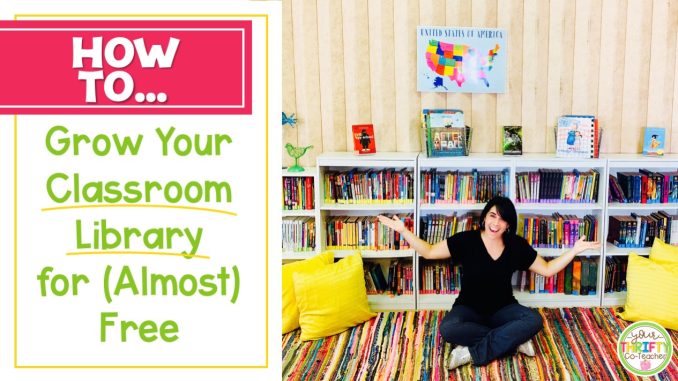
Beyond acquisition, **organizing and displaying the books invitingly** is essential for encouraging engagement. A chaotic pile of books can be overwhelming, while a thoughtfully arranged space beckons readers. Consider organizing books by genre, author, series, or even by themes that resonate with your curriculum units. Clear labeling is crucial so students can easily find what they’re looking for and return books to their proper place. The physical setup also matters: create a comfortable, cozy reading nook with soft seating, pillows, and good lighting. Display books with their covers facing out, rather than just spines, as visual appeal significantly impacts a child’s choice. Imagine a child’s excitement at seeing the vibrant cover of a graphic novel or the inviting illustration on a picture book, rather than just a narrow spine. This aesthetic appeal transforms the library from a mere storage area into an inviting sanctuary.
Establishing **clear systems for borrowing and returning books** is also key to maintaining the library’s functionality and longevity. While overly rigid rules can stifle enthusiasm, a simple, consistent system teaches responsibility and ensures books are available for all. This could be as simple as a sign-out sheet, a digital app, or a “take one, leave one” honor system for older students. Involve students in the process of managing the library – perhaps assigning “librarian” roles – to foster a sense of ownership and accountability. When students feel responsible for the shared resource, they are more likely to treat it with care and ensure its continued availability for their peers.
Finally, and perhaps most importantly, a classroom library truly flourishes when it is **integrated into daily classroom instruction and culture**. It shouldn’t be a static collection but a dynamic, living part of the learning environment. Dedicate regular time for independent reading, allow students to browse and select books frequently, and explicitly teach reading strategies using books from the library. Encourage book talks and peer recommendations. Model reading yourself, sharing your own enjoyment of books. Connect library books to curriculum topics, allowing students to deepen their understanding through self-selected texts. For example, if you’re studying ancient Egypt, make sure your library has a range of relevant non-fiction and historical fiction titles to fuel student curiosity beyond the textbook. This constant interaction reinforces the message that reading is a valued and enjoyable activity, not just a school assignment.
In conclusion, building a classroom library is a profound act of educational generosity and strategic planning. It requires understanding your students’ needs, curating a diverse and engaging collection, organizing it invitingly, establishing clear management systems, and most critically, weaving it into the very fabric of your classroom’s daily life. When thoughtfully constructed and lovingly maintained, a classroom library becomes more than just shelves of books; it transforms into a powerful catalyst for literacy, sparking curiosity, nurturing a lifelong love of reading, and empowering every student to unlock the boundless worlds contained within its pages.