In the contemporary professional landscape, the desk job has become an increasingly ubiquitous reality for millions. While offering numerous advantages in terms of intellectual engagement and convenience, the sedentary nature of prolonged desk work presents a unique set of health challenges. From musculoskeletal discomfort and metabolic slowdown to eye strain and mental fatigue, the demands of a stationary workday can insidiously erode well-being and productivity. However, the good news is that mitigating these risks doesn’t require a complete career overhaul or a drastic lifestyle change. Instead, integrating a series of “health hacks”—small, actionable adjustments to daily routines—can profoundly counteract the negative impacts of desk work, fostering sustained vitality, focus, and overall professional efficacy.
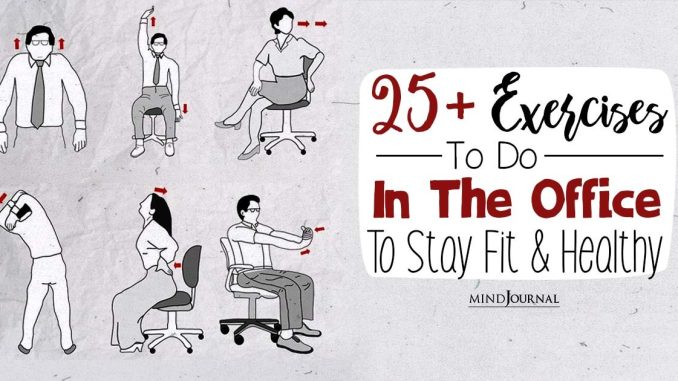
One of the most critical aspects of health for desk workers is **combating prolonged sitting**. Research consistently highlights the detrimental effects of extended sedentary behavior, often referred to as “sitting disease,” which contributes to cardiovascular issues, type 2 diabetes, and obesity, even in individuals who exercise regularly outside of work hours. The most effective hack here is simple: **move frequently**. This isn’t about fitting in a full workout during office hours, but about breaking up periods of sitting. Set a timer to stand up and move for 2-5 minutes every hour. This could involve walking to a colleague’s desk instead of emailing, taking the stairs instead of the elevator, or simply standing while taking a phone call. Some professionals even integrate standing desks or treadmill desks to alternate between sitting and standing throughout the day, providing dynamic movement that significantly improves circulation and reduces musculoskeletal stiffness. This continuous micro-movement strategy is key to keeping the body’s systems engaged.
Beyond movement, **ergonomics** plays a pivotal role in preventing the aches and pains commonly associated with desk work. An improperly set up workstation can lead to chronic neck, shoulder, and back pain, carpal tunnel syndrome, and reduced comfort, which inevitably impacts focus and productivity. The health hack here is to **optimize your workstation setup**. Ensure your monitor is at arm’s length and its top is at eye level, preventing neck strain. Your chair should provide good lumbar support, allowing your feet to be flat on the floor or a footrest, with knees at a 90-degree angle. Your keyboard and mouse should be positioned to keep your wrists straight and relaxed. A well-adjusted ergonomic setup not only prevents discomfort but also promotes better posture, reducing fatigue and allowing for more sustained periods of comfortable work.
**Eye strain**, often dubbed “digital eye strain” or “computer vision syndrome,” is another pervasive issue for desk workers constantly gazing at screens. Symptoms include dry eyes, blurred vision, headaches, and general eye fatigue. The effective hack to mitigate this is the **20-20-20 rule**: every 20 minutes, look at something 20 feet away for at least 20 seconds. This simple act allows your eye muscles to relax and refocus, preventing strain. Additionally, consciously blinking more frequently can combat dry eyes. Adjusting screen brightness to match room lighting, using anti-glare filters, and ensuring adequate lighting in your workspace are also crucial. Remember, your eyes are vital tools for your profession; protecting them is an investment in your long-term productivity.
**Hydration and smart snacking** are often overlooked but profoundly impact energy levels and cognitive function. Many desk workers fall into the trap of reaching for sugary drinks, excessive coffee, or processed snacks when energy dips. These provide temporary boosts followed by inevitable crashes. The health hack is to **prioritize water and nutrient-dense snacks**. Keep a water bottle at your desk and refill it regularly to ensure consistent hydration. For snacks, swap out biscuits and chips for fresh fruit, a handful of nuts, Greek yogurt, or vegetable sticks with hummus. These provide sustained energy release, essential vitamins, and fiber, preventing blood sugar spikes and crashes that lead to brain fog and reduced concentration.
Finally, managing **mental fatigue and stress** is paramount for desk workers. The constant demands, digital notifications, and prolonged periods of focused attention can lead to mental exhaustion. The hack here is to **integrate micro-breaks for mental rejuvenation**. Beyond physical movement, these breaks can involve stepping away from your desk for a few minutes, practicing simple mindfulness or deep breathing exercises, or engaging in a short, non-work-related activity that you enjoy. Even five minutes of intentional mental disengagement can reset your focus and reduce cognitive load. Ensuring a clear boundary between work and personal life, particularly for those working remotely, is also crucial to prevent burnout.
In conclusion, the modern desk job doesn’t have to come at the expense of your health and vitality. By implementing these practical, accessible health hacks—prioritizing frequent movement, optimizing ergonomics, protecting your eyes, making smart dietary choices, and managing mental fatigue—professionals can proactively counteract the sedentary challenges of office life. These small, consistent adjustments collectively contribute to significantly improved physical well-being, sustained cognitive performance, and a more resilient, energetic approach to both daily tasks and long-term career aspirations. Investing in these simple health strategies is, in essence, investing in your most valuable asset: yourself.