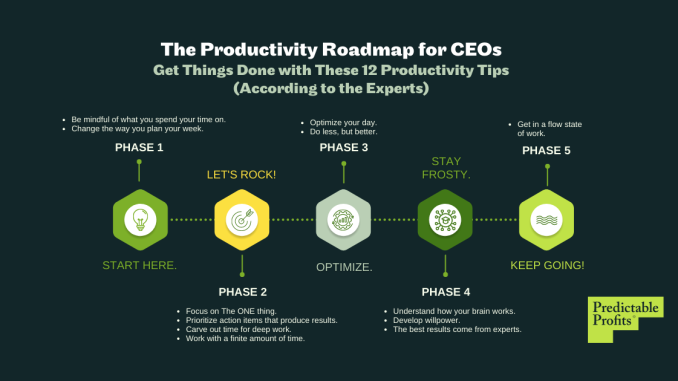
Organizing your work week like a CEO is not simply about managing tasks or adhering to a rigid schedule. It’s about adopting a mindset and strategic approach that maximizes productivity, maintains focus on high-impact activities, and nurtures both personal well-being and professional growth. CEOs operate in fast-paced, high-pressure environments where time is their most valuable asset. Learning from their habits can transform how you approach your work week, helping you achieve more with less stress and greater clarity.
The foundation of a CEO’s weekly organization begins with intentional planning. Instead of reacting to daily urgencies or letting the inbox dictate priorities, CEOs take a proactive stance by setting clear objectives for the week ahead. This means understanding which projects, meetings, or decisions will have the most significant impact on business goals and personal performance. By defining these priorities early, the CEO’s schedule becomes a tool for progress rather than a chaotic calendar of commitments.
Effective time blocking is another hallmark of a CEO’s approach to managing the work week. They carve out specific blocks of uninterrupted time dedicated to focused work, creative thinking, or strategic planning. This disciplined allocation helps prevent multitasking, which can dilute concentration and reduce overall efficiency. Within these time blocks, distractions are minimized—phones are silenced, notifications turned off, and boundaries communicated to colleagues. This level of focus enables deeper engagement with critical tasks and often leads to higher-quality outcomes.
While CEOs are known for their relentless drive, they also understand the importance of balancing intense work periods with rest and rejuvenation. Scheduling breaks and downtime throughout the week is not viewed as wasted time but as an investment in sustained performance. A well-structured week incorporates moments to step away from the desk, whether it’s a short walk, mindfulness exercises, or engaging in physical activity. These intervals help to refresh the mind, reduce burnout, and maintain energy levels, making it easier to tackle demanding tasks with renewed vigor.
Delegation is a critical skill that CEOs master to optimize their time and focus on what truly matters. Organizing the work week like a CEO means recognizing that not every task requires your direct involvement. By entrusting responsibilities to capable team members, CEOs free themselves to concentrate on strategic issues and decision-making. This requires not only identifying which tasks to delegate but also providing clear instructions and expectations. Effective delegation enhances overall team productivity and fosters trust and development among colleagues.
An often-overlooked aspect of a CEO’s weekly organization is the deliberate review and reflection process. At the end of each week, CEOs take time to assess what was accomplished, what challenges arose, and how well the schedule aligned with their goals. This practice of reflection provides valuable insights that inform adjustments for the following week. It also reinforces accountability and encourages continuous improvement. Without this regular review, it’s easy to fall into reactive patterns and lose sight of long-term priorities.
Another key to managing the work week like a CEO is the strategic handling of meetings. CEOs are intentional about when and why they meet, ensuring that meetings have clear agendas, defined outcomes, and involve only essential participants. They often batch meetings into certain days or time periods to preserve blocks of uninterrupted work time. This approach reduces meeting fatigue and allows for deeper focus on tasks between sessions. By critically evaluating the necessity of each meeting, CEOs maintain control over their calendars rather than becoming victims of endless appointments.
Technology and tools also play a vital role in how CEOs organize their work weeks. They leverage digital calendars, project management software, and communication platforms to keep track of commitments, deadlines, and collaborations. However, the key is not just to rely on technology but to use it strategically. Setting reminders, automating routine tasks, and integrating tools to minimize manual work allow CEOs to streamline their workflows and reduce cognitive load. This technological support complements disciplined habits, making the overall system more efficient.
Lastly, CEOs maintain flexibility within their structured weeks to adapt to unexpected challenges or opportunities. While planning and routine are essential, the ability to pivot when necessary distinguishes great leaders. This balance between structure and adaptability ensures that important issues are addressed promptly without derailing the entire week. By building buffers into the schedule and keeping priorities clear, CEOs can absorb disruptions with minimal impact on their overall productivity and goals.
In summary, organizing your work week like a CEO requires a combination of strategic planning, disciplined execution, and mindful reflection. It is about prioritizing high-impact activities, managing time with intention, and balancing work with restorative practices. It involves delegating effectively, controlling meetings, leveraging technology, and maintaining enough flexibility to navigate the unexpected. By adopting these principles, you can transform your work week from a series of reactive tasks into a purposeful journey toward achieving your most important objectives. Embracing this approach not only enhances productivity but also cultivates a sustainable rhythm that supports long-term success and well-being.