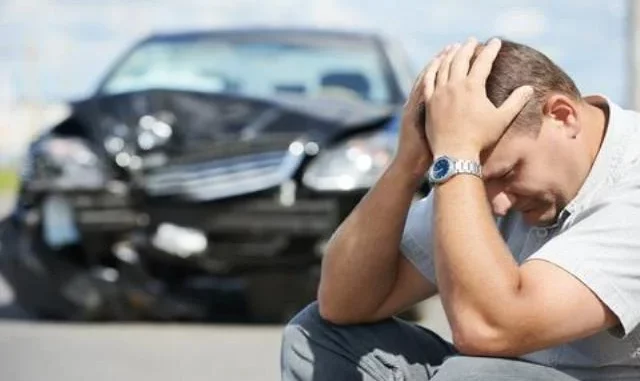
Driving without insurance is a risky and illegal choice that can have serious consequences. While some drivers may think they can save money by skipping insurance, the reality is that the costs and legal troubles that follow an accident or traffic stop without coverage often far outweigh any short-term savings. Understanding what happens if you drive without insurance can help you make safer, smarter decisions on the road.
Most states require drivers to carry a minimum amount of auto insurance or proof of financial responsibility. This legal requirement is in place to ensure that drivers can cover damages or injuries they cause in an accident. Driving without insurance violates these laws and can lead to penalties ranging from fines to license suspension, and even jail time in some cases.
If you are caught driving without insurance, the immediate consequences often include hefty fines. These fines vary by state but can range from hundreds to thousands of dollars. In many places, you may also face administrative penalties such as suspension or revocation of your driver’s license and vehicle registration. Some states require you to file an SR-22 form, which is a certificate of financial responsibility that proves you carry the required insurance going forward.
Beyond legal penalties, driving without insurance puts you at significant financial risk. If you cause an accident and don’t have insurance, you are personally responsible for paying for all damages and medical bills out of pocket. This can be financially devastating, especially if the accident results in serious injury or extensive property damage. Lawsuits are common in these situations, and you could be held liable for paying damages for years to come.
Victims of accidents caused by uninsured drivers often face challenges in getting compensated. While some states have victim compensation funds or uninsured motorist coverage options, these are not guaranteed and may not fully cover the costs. Without insurance, your ability to pay for damages may depend on your personal assets, which could be seized in legal actions.
Driving without insurance can also affect your ability to get coverage later. Insurance companies view uninsured driving as a high-risk behavior. When you eventually apply for insurance, you will likely face much higher premiums or even denial of coverage. The longer you remain uninsured, the more difficult and expensive it becomes to get affordable insurance in the future.
In addition to personal risks, driving without insurance also affects other drivers and the community. Insurance provides a safety net that ensures victims of accidents receive timely financial support for repairs and medical care. Without this protection, the burden often shifts to other drivers, taxpayers, or social services.
Many people don’t realize that even a minor accident can lead to severe financial consequences if you are uninsured. Medical bills, repair costs, and legal fees can quickly add up to tens of thousands of dollars. These unexpected expenses can cause long-term financial hardship, bankruptcy, or damaged credit.
If you are involved in an accident without insurance, the situation becomes even more complicated. You may face criminal charges, especially if the accident results in injury or death. Law enforcement agencies take uninsured driving seriously, and penalties can include jail time, probation, and community service.
Preventing these consequences is straightforward: maintain at least the minimum required auto insurance at all times. Even if you own an older vehicle or drive infrequently, some form of liability insurance is essential. Many insurers offer low-cost policies that meet state requirements and provide basic protection without breaking your budget.
If affordability is a concern, consider shopping around for quotes, asking about discounts, or exploring state programs that help low-income drivers obtain insurance. Going without insurance to save money is rarely worth the risk.
In some cases, drivers may mistakenly believe their coverage is valid when it has lapsed due to missed payments or cancellation. It’s important to keep track of your insurance policy status and renew on time to avoid unintentional uninsured driving.
In conclusion, driving without insurance is a serious legal violation with wide-reaching consequences. From fines and license suspensions to devastating financial liabilities and increased future insurance costs, the risks are too great to ignore. By maintaining proper insurance coverage, you protect yourself, other drivers, and your financial future. The peace of mind that comes from being insured far outweighs any temptation to drive without coverage.