In the hustle and bustle of daily life, it can be easy to overlook the small things that bring joy and meaning. Yet, cultivating gratitude—the practice of recognizing and appreciating the good in our lives—has profound effects on emotional health. Science and psychology increasingly show that gratitude isn’t just a polite social custom; it is a powerful tool that improves mental well-being, resilience, and overall happiness.
This article explores how gratitude improves emotional health and offers practical ways to incorporate it into your life.
Understanding Gratitude and Its Emotional Impact
Gratitude is the feeling of thankfulness and appreciation for the positive aspects of life, whether big or small. It goes beyond simply saying “thank you” and involves a deeper awareness of the value in people, experiences, or circumstances.
Psychologists consider gratitude a positive emotion that fosters connection, contentment, and psychological balance. When you focus on what you have rather than what you lack, it shifts your mindset from scarcity and negativity to abundance and optimism.
The Science Behind Gratitude and Emotional Health
Numerous studies reveal that practicing gratitude regularly can significantly improve emotional health. Some key findings include:
-
Reduced symptoms of depression and anxiety: People who keep gratitude journals or engage in gratitude exercises tend to experience lower levels of depressive symptoms and anxiety. Gratitude promotes a positive outlook, which helps counteract negative thought patterns.
-
Increased happiness and life satisfaction: Focusing on positive experiences increases dopamine and serotonin production—the brain’s “feel-good” chemicals—boosting mood and well-being.
-
Better stress management: Gratitude can lower the body’s stress hormones like cortisol. It helps individuals reframe challenges as opportunities for growth, making stress more manageable.
-
Improved sleep quality: People who practice gratitude report falling asleep faster and having more restful sleep, which is critical for emotional regulation.
-
Stronger social bonds: Expressing gratitude strengthens relationships by fostering empathy and trust, which in turn enhances emotional support networks.
These benefits demonstrate that gratitude directly impacts key components of emotional health, helping us build resilience and maintain a positive mental state.
How Gratitude Changes Your Brain
When you practice gratitude, certain areas of the brain associated with emotions, empathy, and reward activate more intensely. This neurological response reinforces positive feelings and social connections.
For example, the prefrontal cortex, which governs decision-making and social behavior, shows increased activity during gratitude exercises. The amygdala, linked to fear and stress responses, calms down, contributing to emotional balance.
This brain chemistry adjustment makes it easier to cope with adversity and maintain emotional well-being over time.
Practical Ways to Cultivate Gratitude
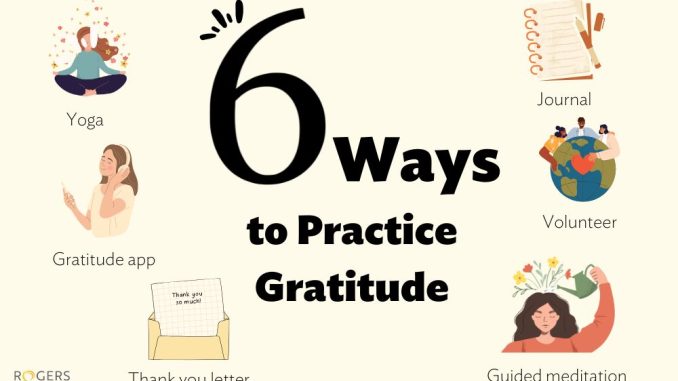
Incorporating gratitude into daily life doesn’t require significant effort or time, but consistency is key. Here are some effective strategies:
1. Keep a Gratitude Journal
Write down three to five things you are grateful for each day. These can be simple—like a warm cup of coffee, a kind gesture from a colleague, or a beautiful sunset. Reflecting on these moments helps train your mind to notice positivity.
2. Express Gratitude to Others
Take time to thank friends, family, coworkers, or even strangers. A heartfelt note, text, or verbal acknowledgment strengthens bonds and spreads positivity. Expressing appreciation makes both giver and receiver feel emotionally uplifted.
3. Practice Mindful Gratitude
During moments of stress or difficulty, pause and intentionally identify something positive in the situation. This mindful awareness encourages a balanced perspective and emotional resilience.
4. Create Gratitude Rituals
Incorporate gratitude into your daily routines—such as starting or ending your day by naming things you appreciate or sharing gratitude around the dinner table.
5. Use Visual Reminders
Place sticky notes or objects in your environment that remind you to pause and feel grateful. This can be a photo, quote, or a symbolic item that evokes positive feelings.
Gratitude as a Foundation for Emotional Well-being
Gratitude doesn’t eliminate life’s challenges, but it changes how you experience them. By focusing on what’s good, you build emotional resources that help you navigate stress, disappointment, and uncertainty with greater ease.
Moreover, gratitude fosters humility and perspective. It encourages us to recognize interdependence—how others contribute to our lives—and appreciate life’s fleeting moments. This outlook nurtures emotional stability and reduces tendencies toward envy, resentment, or self-pity.
Overcoming Barriers to Gratitude
Some people struggle with gratitude because they feel overwhelmed by difficulties or believe it minimizes their problems. It’s important to understand that gratitude coexists with acknowledging hardship. It’s not about ignoring pain but balancing it with recognition of good.
If you find it hard to feel grateful:
-
Start small and focus on neutral or positive daily occurrences.
-
Practice self-compassion and avoid forcing gratitude.
-
Use guided gratitude exercises or apps that provide prompts and structure.
-
Seek support from a therapist if emotional blocks persist.
The Ripple Effect of Gratitude
Beyond personal benefits, gratitude can positively influence communities and workplaces. Teams with a culture of appreciation experience higher morale, collaboration, and productivity. Families who express gratitude tend to have stronger bonds and healthier communication.
By cultivating gratitude, you contribute not only to your emotional health but also to a more compassionate and connected world.
Conclusion
Gratitude is a simple yet transformative practice that profoundly improves emotional health. By fostering positive emotions, reducing stress, enhancing sleep, and strengthening relationships, gratitude builds a foundation for resilience and happiness.
The key to reaping its benefits lies in regular, intentional practice. Whether through journaling, expressing thanks, or mindful awareness, incorporating gratitude into your daily life can shift your perspective and enhance your mental well-being.
In a world that often emphasizes what’s wrong or missing, gratitude invites you to celebrate what is good and present. This shift in focus is not just a feel-good exercise—it’s a proven path toward greater emotional health and life satisfaction.