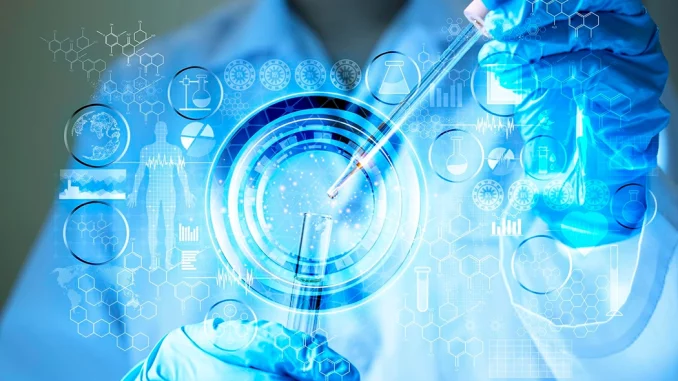
Nanotechnology, the science of manipulating matter at the atomic and molecular scale, is poised to revolutionize healthcare. By working at the nanoscale (typically less than 100 nanometers), scientists and engineers can create materials and devices with unique properties and capabilities that are not possible at larger scales. From targeted drug delivery to advanced diagnostics, nanotechnology is opening up new possibilities for personalized medicine, disease prevention, and treatment. This article explores the current applications of nanotechnology in healthcare, its benefits, challenges, and the future potential of this groundbreaking technology.
What is Nanotechnology?
Nanotechnology involves the design, characterization, production, and application of structures, devices, and systems by controlling shape and size at the nanometer scale. To put this into perspective, one nanometer is one-billionth of a meter, or about 100,000 times smaller than the diameter of a human hair. At this scale, the physical, chemical, and biological properties of materials can differ significantly from those at a larger scale, leading to new and exciting possibilities.
Current Applications of Nanotechnology in Healthcare
Nanotechnology is already being used in various areas of healthcare, with remarkable results. Here are some of the most significant applications:
1. Targeted Drug Delivery
One of the most promising applications of nanotechnology is targeted drug delivery. Nanoparticles can be designed to deliver drugs directly to diseased cells, such as cancer cells, while minimizing damage to healthy cells. This not only increases the efficacy of the treatment but also reduces side effects. For example, liposomes and dendrimers are nanoscale carriers that can be used to deliver drugs more effectively.
2. Diagnostic Tools
Nanotechnology is improving diagnostic tools by enabling the development of highly sensitive and specific diagnostic devices. For instance, quantum dots, which are nanoscale semiconductor particles, can be used as fluorescent labels in medical imaging. This allows for earlier and more accurate detection of diseases such as cancer. Additionally, nanosensors can be used to detect biomarkers in the blood, providing real-time monitoring of a patient’s health.
3. Regenerative Medicine
Nanotechnology is playing a crucial role in regenerative medicine, which aims to repair or replace damaged tissues and organs. Nanomaterials can be used to create scaffolds that mimic the structure of natural tissues, promoting cell growth and tissue regeneration. For example, nanofibers made from biocompatible materials can be used to create artificial skin, bone, and cartilage.
4. Cancer Treatment
Nanotechnology is offering new hope in the fight against cancer. Nanoparticles can be designed to target cancer cells specifically, delivering drugs or heat to destroy them. One promising approach is the use of gold nanoparticles, which can be heated with infrared light to kill cancer cells without harming surrounding tissues. This technique, known as photothermal therapy, is still in the experimental stage but shows great potential.
5. Antimicrobial Applications
Nanotechnology is being used to develop new antimicrobial agents that can combat drug-resistant bacteria. Silver nanoparticles, for example, have been shown to have potent antimicrobial properties and are being used in wound dressings and medical devices to prevent infections.
Benefits of Nanotechnology in Healthcare
The integration of nanotechnology into healthcare offers numerous benefits:
1. Precision Medicine
Nanotechnology enables the development of personalized treatments that are tailored to an individual’s genetic makeup and specific needs. This leads to more effective and targeted therapies.
2. Early Detection
Nanoscale diagnostic tools can detect diseases at an early stage, when they are more treatable. This improves patient outcomes and reduces healthcare costs.
3. Reduced Side Effects
Targeted drug delivery systems minimize the impact on healthy cells, reducing side effects and improving the quality of life for patients.
4. Enhanced Imaging
Nanotechnology improves the resolution and accuracy of medical imaging, allowing for better diagnosis and monitoring of diseases.
5. Regenerative Potential
Nanomaterials can promote tissue regeneration and repair, offering new solutions for conditions that were previously untreatable.
Challenges and Considerations
Despite its immense potential, nanotechnology in healthcare faces several challenges:
1. Safety and Toxicity
The safety of nanomaterials is a major concern, as their small size and unique properties can lead to unexpected interactions with biological systems. There is a need for thorough testing and regulation to ensure that nanomaterials are safe for use in medicine.
2. Environmental Impact
The production and disposal of nanomaterials could have unintended consequences for the environment, and more research is needed to understand and mitigate these risks.
3. Ethical Concerns
The use of nanotechnology in healthcare raises ethical concerns, such as the potential for unequal access to advanced treatments and the implications of enhancing human capabilities through nanotechnology.
4. Regulatory Hurdles
The regulatory framework for nanotechnology in healthcare is still evolving, and there is a need for clear guidelines and standards to ensure the safe and effective use of nanomaterials.
5. Cost and Accessibility
The development and implementation of nanotechnology-based treatments can be expensive, and there is a risk that these advanced therapies may not be accessible to all patients.
The Future of Nanotechnology in Healthcare
As nanotechnology continues to advance, its role in healthcare is expected to grow. Here are some trends to watch:
1. Nanorobotics
Nanorobotics involves the creation of nanoscale robots that can perform specific tasks, such as delivering drugs to targeted cells or repairing damaged tissues. While still in the experimental stage, nanorobotics has the potential to revolutionize medicine.
2. Smart Implants
Nanotechnology is being used to develop smart implants that can monitor and respond to changes in the body. For example, nanosensors embedded in implants can detect infection or inflammation and release drugs as needed.
3. Personalized Vaccines
Nanotechnology is enabling the development of personalized vaccines that are tailored to an individual’s genetic profile. This approach has the potential to improve the efficacy of vaccines and reduce side effects.
4. Nanotechnology in Cancer Treatment
Advances in nanotechnology are expected to lead to more effective and less invasive cancer treatments. For example, nanoparticles can be designed to deliver multiple drugs simultaneously, targeting different aspects of cancer cells.
5. Integration with AI
The integration of nanotechnology with artificial intelligence (AI) is expected to enhance the capabilities of nanoscale devices and systems. AI can be used to analyze data from nanosensors and optimize treatment plans.
Real-World Examples of Nanotechnology in Healthcare
Several companies and research institutions are already leveraging nanotechnology to improve healthcare:
- Nanobiotix: This company is developing nanotechnology-based treatments for cancer, using nanoparticles to enhance the effectiveness of radiotherapy.
- BIND Therapeutics: BIND Therapeutics is working on targeted drug delivery systems using nanoparticles to treat cancer and other diseases.
- NanoSphere Health Sciences: This company is developing nanotechnology-based products for wound care and infection prevention.
Conclusion
Nanotechnology is revolutionizing healthcare by providing new tools and techniques for diagnosis, treatment, and prevention. From targeted drug delivery to regenerative medicine, the potential applications of nanotechnology are vast and exciting. While challenges remain, ongoing advancements in materials, safety, and regulation are paving the way for a future where nanotechnology plays a central role in healthcare. By addressing these challenges and embracing innovation, we can harness the power of nanotechnology to improve patient outcomes and transform the healthcare industry.