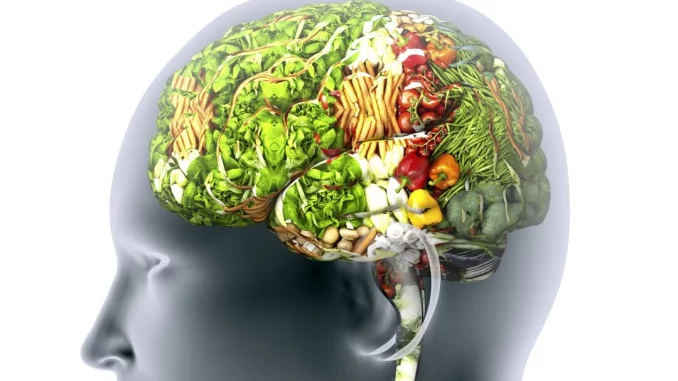
The connection between nutrition and mental health is gaining increasing recognition in the fields of medicine and psychology. While the impact of diet on physical health has long been understood, research now shows that what we eat also plays a crucial role in our mental well-being. This article explores the relationship between nutrition and mental health, the key nutrients that support brain function, and how dietary choices can influence conditions like depression, anxiety, and cognitive decline.
The Gut-Brain Connection
The gut and brain are intricately connected through the gut-brain axis, a bidirectional communication system that links the central nervous system with the enteric nervous system in the gut. The gut microbiome, which consists of trillions of microorganisms, plays a key role in this connection. Emerging research suggests that a healthy gut microbiome can positively influence mental health, while an imbalanced microbiome may contribute to conditions like depression and anxiety.
How Nutrition Affects the Gut-Brain Axis
- Probiotics and Prebiotics: Probiotics (beneficial bacteria) and prebiotics (food for these bacteria) support a healthy gut microbiome, which in turn can improve mood and cognitive function.
- Fiber-Rich Foods: A diet high in fiber promotes the growth of beneficial gut bacteria, which produce neurotransmitters like serotonin that regulate mood.
- Processed Foods: Diets high in processed foods and sugar can disrupt the gut microbiome, leading to inflammation and negatively impacting mental health.
Key Nutrients for Mental Health
Certain nutrients are essential for brain health and play a critical role in regulating mood, cognition, and overall mental well-being. Here are some of the most important ones:
1. Omega-3 Fatty Acids
Omega-3 fatty acids, found in fatty fish (like salmon and mackerel), walnuts, and flaxseeds, are crucial for brain health. They help reduce inflammation, support neurotransmitter function, and have been shown to alleviate symptoms of depression and anxiety.
2. B Vitamins
B vitamins, particularly B6, B9 (folate), and B12, are essential for brain function. They help produce neurotransmitters like serotonin and dopamine, which regulate mood. Deficiencies in these vitamins have been linked to depression and cognitive decline.
3. Vitamin D
Vitamin D, often referred to as the “sunshine vitamin,” plays a role in brain health and mood regulation. Low levels of vitamin D have been associated with an increased risk of depression and seasonal affective disorder (SAD).
4. Magnesium
Magnesium is involved in hundreds of biochemical reactions in the body, including those that regulate stress and anxiety. Foods rich in magnesium, such as leafy greens, nuts, and whole grains, can help reduce symptoms of anxiety and improve sleep quality.
5. Zinc
Zinc is an essential mineral that supports brain function and immune health. Low levels of zinc have been linked to depression and cognitive impairment. Foods like shellfish, legumes, and seeds are good sources of zinc.
6. Antioxidants
Antioxidants, such as vitamins C and E, protect the brain from oxidative stress, which can contribute to mental health disorders. Berries, citrus fruits, and nuts are rich in antioxidants.
The Impact of Diet on Mental Health Conditions
Research has shown that dietary patterns can influence the risk and severity of various mental health conditions:
1. Depression
Studies have found that diets high in processed foods, sugar, and unhealthy fats are associated with an increased risk of depression. Conversely, diets rich in fruits, vegetables, whole grains, and lean proteins, such as the Mediterranean diet, have been shown to reduce the risk of depression.
2. Anxiety
A diet high in refined carbohydrates and sugar can lead to blood sugar fluctuations, which may exacerbate anxiety symptoms. On the other hand, a balanced diet that includes complex carbohydrates, protein, and healthy fats can help stabilize mood and reduce anxiety.
3. Cognitive Decline
Poor nutrition is a risk factor for cognitive decline and neurodegenerative diseases like Alzheimer’s. Diets rich in omega-3 fatty acids, antioxidants, and B vitamins can support brain health and reduce the risk of cognitive decline.
The Role of Nutrition in Mental Health Treatment
Nutrition is increasingly being recognized as an important component of mental health treatment. Here are some ways it is being integrated into care:
1. Nutritional Psychiatry
Nutritional psychiatry is an emerging field that focuses on the role of diet in mental health. Psychiatrists and dietitians are working together to develop dietary interventions for conditions like depression and anxiety.
2. Personalized Nutrition
Personalized nutrition plans, based on an individual’s genetic makeup, gut microbiome, and lifestyle, are being used to optimize mental health. This approach recognizes that there is no one-size-fits-all diet for mental well-being.
3. Supplementation
In some cases, nutritional supplements may be recommended to address deficiencies that contribute to mental health issues. For example, omega-3 supplements are often used to support brain health and reduce symptoms of depression.
Practical Tips for Improving Mental Health Through Nutrition
Here are some practical steps you can take to support your mental health through diet:
1. Eat a Balanced Diet
Focus on whole, unprocessed foods, including fruits, vegetables, whole grains, lean proteins, and healthy fats. Avoid excessive sugar, refined carbohydrates, and processed foods.
2. Prioritize Gut Health
Include probiotic-rich foods like yogurt, kefir, and fermented vegetables, as well as prebiotic foods like garlic, onions, and bananas, to support a healthy gut microbiome.
3. Stay Hydrated
Dehydration can affect mood and cognitive function. Aim to drink plenty of water throughout the day.
4. Limit Alcohol and Caffeine
Excessive alcohol and caffeine consumption can negatively impact mental health. Moderation is key.
5. Consider Supplements
If you suspect a nutrient deficiency, consult a healthcare professional about whether supplements might be beneficial.
Challenges and Considerations
While the role of nutrition in mental health is promising, there are challenges to consider:
- Individual Variability: Nutritional needs vary from person to person, and what works for one individual may not work for another.
- Access to Healthy Foods: Socioeconomic factors can limit access to nutritious foods, making it difficult for some individuals to maintain a healthy diet.
- Complexity of Mental Health: Mental health is influenced by a wide range of factors, including genetics, environment, and lifestyle. Nutrition is just one piece of the puzzle.
The Future of Nutrition and Mental Health
As research continues to uncover the links between nutrition and mental health, we can expect to see:
- Greater Integration: Nutrition will become a more integral part of mental health treatment plans.
- Public Health Initiatives: Governments and organizations will promote dietary guidelines that support mental well-being.
- Innovative Therapies: New therapies, such as microbiome-based treatments, will emerge to address mental health issues through nutrition.
Conclusion
The role of nutrition in mental health is a rapidly growing field with immense potential. By understanding the connection between diet and mental well-being, we can make informed choices that support both our physical and mental health. While nutrition alone cannot replace traditional mental health treatments, it can be a powerful tool for prevention and management. As we continue to explore this connection, the future of mental health care will likely include a greater emphasis on the role of nutrition in promoting overall well-being.