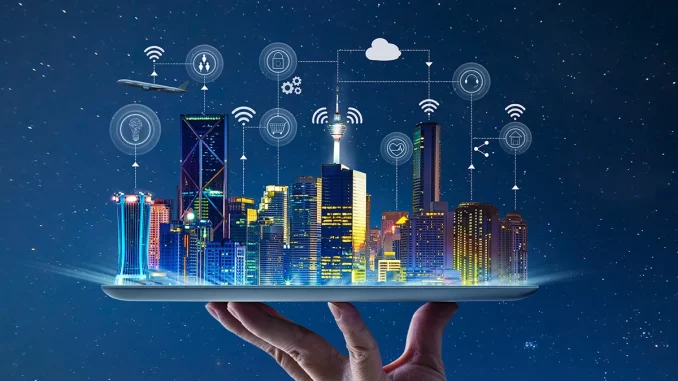
As the world becomes increasingly urbanized, cities are facing unprecedented challenges, from traffic congestion and pollution to resource scarcity and climate change. To address these issues, the concept of smart cities has emerged, leveraging technology to create more efficient, sustainable, and livable urban environments. By integrating advanced technologies such as the Internet of Things (IoT), Artificial Intelligence (AI), and big data analytics, smart cities aim to improve the quality of life for their residents while minimizing their environmental impact.
What is a Smart City?
A smart city is an urban area that uses technology and data-driven solutions to enhance the efficiency of city operations, improve the quality of life for its residents, and promote sustainable development. Key components of a smart city include smart infrastructure, smart transportation, smart energy, and smart governance. These components are interconnected through a network of sensors, devices, and data platforms, enabling real-time monitoring, analysis, and decision-making.
The Role of IoT in Smart Cities
The Internet of Things (IoT) is a cornerstone of smart city development. IoT involves connecting everyday objects and devices to the internet, allowing them to collect and exchange data. In a smart city, IoT devices can be used to monitor and manage various aspects of urban life, such as traffic flow, air quality, and energy consumption. For example, smart traffic lights can adjust their timing based on real-time traffic conditions, reducing congestion and emissions. Similarly, smart meters can monitor energy usage and optimize distribution, leading to more efficient energy management.
AI and Big Data Analytics in Smart Cities
Artificial Intelligence (AI) and big data analytics play a crucial role in making sense of the vast amounts of data generated by IoT devices. AI algorithms can analyze this data to identify patterns, predict trends, and make informed decisions. For instance, AI can be used to predict traffic congestion and suggest alternative routes, or to optimize waste collection routes based on historical data and real-time conditions. Big data analytics can also help city planners make data-driven decisions about infrastructure development, resource allocation, and policy-making.
Smart Transportation
Transportation is one of the key areas where smart city technologies are making a significant impact. Smart transportation systems use IoT, AI, and big data to improve the efficiency, safety, and sustainability of urban mobility. Some of the key innovations in smart transportation include:
1. Intelligent Traffic Management
Intelligent traffic management systems use real-time data from sensors, cameras, and GPS devices to monitor and control traffic flow. These systems can adjust traffic signals, provide real-time traffic updates, and suggest alternative routes to reduce congestion and improve travel times.
2. Public Transportation Optimization
Smart cities are using data analytics to optimize public transportation routes and schedules. By analyzing ridership data and traffic conditions, cities can ensure that public transportation services are efficient, reliable, and responsive to the needs of residents.
3. Shared Mobility Solutions
Shared mobility solutions, such as bike-sharing and ride-sharing programs, are becoming increasingly popular in smart cities. These services reduce the number of private vehicles on the road, leading to lower emissions and less traffic congestion.
4. Autonomous Vehicles
Autonomous vehicles (AVs) are expected to play a significant role in the future of smart transportation. AVs can reduce traffic accidents, improve traffic flow, and provide mobility options for people who are unable to drive, such as the elderly and disabled.
Smart Energy Management
Energy consumption is a major concern for cities, as it contributes to greenhouse gas emissions and resource depletion. Smart energy management systems use IoT, AI, and big data to optimize energy production, distribution, and consumption. Some of the key innovations in smart energy management include:
1. Smart Grids
Smart grids use digital technology to monitor and manage the flow of electricity from power plants to consumers. They can detect and respond to changes in energy demand, integrate renewable energy sources, and reduce energy waste.
2. Energy-Efficient Buildings
Smart cities are promoting the development of energy-efficient buildings that use IoT devices to monitor and control energy usage. For example, smart thermostats can adjust heating and cooling based on occupancy and weather conditions, while smart lighting systems can optimize lighting levels based on natural light and occupancy.
3. Renewable Energy Integration
Smart cities are increasingly integrating renewable energy sources, such as solar and wind power, into their energy grids. AI and big data analytics are used to predict energy production from these sources and optimize their integration into the grid.
Smart Governance and Citizen Engagement
Smart cities are also using technology to improve governance and citizen engagement. Smart governance involves using data and technology to enhance the efficiency, transparency, and accountability of city administration. Some of the key innovations in smart governance include:
1. E-Government Services
E-government services allow residents to access government services online, reducing the need for in-person visits and paperwork. These services can include everything from paying taxes and applying for permits to reporting issues and accessing public records.
2. Citizen Participation Platforms
Smart cities are using digital platforms to engage citizens in decision-making processes. These platforms allow residents to provide feedback, participate in surveys, and contribute ideas for city improvement projects.
3. Data-Driven Policy Making
Smart cities are using data analytics to inform policy-making and resource allocation. By analyzing data on various aspects of urban life, such as transportation, energy, and public safety, city officials can make more informed decisions that benefit the community.
Challenges and Considerations
While the potential benefits of smart cities are immense, there are also challenges and considerations that must be addressed:
1. Data Privacy and Security
The collection and use of vast amounts of data in smart cities raise concerns about data privacy and security. Cities must implement robust data protection measures and ensure that residents’ privacy is respected.
2. Digital Divide
The digital divide refers to the gap between those who have access to digital technologies and those who do not. Smart cities must ensure that all residents, regardless of socioeconomic status, have access to the benefits of smart city technologies.
3. Infrastructure Investment
Developing and maintaining the infrastructure required for smart cities requires significant investment. Cities must find ways to fund these investments while ensuring that they are sustainable and equitable.
4. Ethical Considerations
The use of AI and big data in smart cities raises ethical concerns, such as bias in algorithms and the potential for surveillance. Cities must address these concerns and ensure that their use of technology is fair and transparent.
The Future of Smart Cities
The future of smart cities is incredibly promising, with the potential to transform urban living and create more sustainable, efficient, and livable environments. As technology continues to advance, we can expect to see even more innovative applications and improvements in smart city development. Some of the emerging trends include:
1. Integration of 5G Technology
The rollout of 5G technology is expected to accelerate the development of smart cities. With its high speed and low latency, 5G will enable more connected devices and real-time data processing, enhancing the capabilities of smart city systems.
2. AI-Driven Urban Planning
AI is being used to optimize urban planning and development. By analyzing data on population growth, land use, and infrastructure, AI can help city planners make more informed decisions about where to build new housing, transportation networks, and public services.
3. Circular Economy
Smart cities are increasingly adopting the principles of the circular economy, which aims to minimize waste and make the most of resources. This includes initiatives such as recycling programs, waste-to-energy projects, and the promotion of sustainable consumption.
4. Climate Resilience
As climate change poses increasing risks to cities, smart city technologies are being used to enhance climate resilience. This includes the development of flood monitoring systems, heatwave response plans, and green infrastructure to mitigate the impacts of extreme weather events.
Conclusion
Smart cities represent the future of urban living, offering a vision of more efficient, sustainable, and livable environments. By integrating advanced technologies such as IoT, AI, and big data analytics, smart cities can address the challenges of urbanization and create a better quality of life for their residents. While there are challenges and considerations that must be addressed, the potential benefits of smart cities far outweigh the risks. As technology continues to evolve, the possibilities for smart city development are limitless, paving the way for a brighter and more sustainable future.