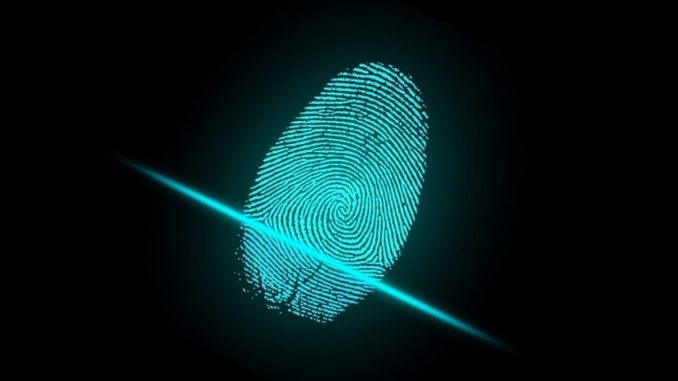
Biometric technology has come a long way since its inception, evolving from simple fingerprint scanning to advanced facial recognition systems. Today, biometrics is at the forefront of security, healthcare, and even everyday consumer applications. As technology continues to advance, the future of biometrics promises even more innovative and seamless ways to authenticate identity, enhance security, and improve user experiences.
What is Biometric Technology?
Biometric technology refers to the use of unique physical or behavioral characteristics to identify and verify individuals. These characteristics include fingerprints, facial features, iris patterns, voiceprints, and even behavioral traits like typing patterns or gait. Unlike traditional security measures such as passwords or PINs, biometrics offers a higher level of security because it is nearly impossible to replicate or forge these unique traits.
The Evolution of Biometric Technology
The journey of biometric technology began with fingerprint scanning, which was first used in law enforcement in the late 19th century. Over time, the technology became more sophisticated, leading to the development of automated fingerprint identification systems (AFIS) in the 20th century. In recent years, biometrics has expanded to include facial recognition, iris scanning, voice recognition, and even DNA analysis. The integration of artificial intelligence (AI) and machine learning has further enhanced the accuracy and efficiency of these systems.
Applications of Biometric Technology
Biometric technology is being used in a wide range of industries, from security and law enforcement to healthcare and consumer electronics. In the security sector, biometrics is used for access control, surveillance, and identity verification. Airports, for example, are increasingly using facial recognition systems to streamline passenger processing and enhance security. In healthcare, biometrics is being used for patient identification, ensuring that medical records are accurately matched to the right individual. In the consumer space, smartphones and other devices now come equipped with fingerprint scanners and facial recognition features, providing users with a convenient and secure way to unlock their devices.
Advancements in Facial Recognition
Facial recognition is one of the most exciting areas of biometric technology. Recent advancements in AI and deep learning have significantly improved the accuracy and speed of facial recognition systems. These systems can now identify individuals in real-time, even in crowded or poorly lit environments. Facial recognition is being used in a variety of applications, from unlocking smartphones to monitoring public spaces for security purposes. However, the technology has also raised concerns about privacy and surveillance, leading to ongoing debates about its ethical use.
Emerging Trends in Biometrics
As biometric technology continues to evolve, several emerging trends are shaping its future. One of these trends is the use of multimodal biometrics, which combines multiple biometric traits (e.g., facial recognition and fingerprint scanning) to improve accuracy and reliability. Another trend is the development of contactless biometric systems, which have become increasingly important in the wake of the COVID-19 pandemic. These systems allow for touchless authentication, reducing the risk of spreading germs. Additionally, biometric technology is being integrated with other technologies, such as blockchain, to enhance security and privacy.
Challenges and Ethical Considerations
Despite its many benefits, biometric technology is not without its challenges. One of the main concerns is privacy. The collection and storage of biometric data raise questions about how this sensitive information is used and protected. There is also the risk of data breaches, which could expose individuals’ biometric information to malicious actors. Another challenge is the potential for bias in biometric systems, particularly in facial recognition. Studies have shown that some systems are less accurate when identifying individuals with darker skin tones or certain facial features, leading to concerns about discrimination and fairness.
The Future of Biometric Technology
The future of biometric technology is incredibly promising. As the technology continues to advance, we can expect to see even more innovative applications and improvements in accuracy, speed, and security. One area of focus is the development of biometric systems that can operate seamlessly in the background, without requiring active user input. For example, future smartphones may be able to authenticate users based on their behavior, such as how they hold the device or type on the keyboard. Another area of interest is the use of biometrics in wearable devices, such as smartwatches and fitness trackers, to monitor health and provide personalized recommendations.
Conclusion
Biometric technology has come a long way since its early days, and its future looks brighter than ever. From fingerprint scanning to facial recognition, biometrics is transforming the way we authenticate identity, enhance security, and interact with technology. However, as the technology continues to evolve, it is essential to address the challenges and ethical considerations associated with its use. By doing so, we can ensure that biometric technology is used responsibly and for the benefit of all.